Dẫn dắt với Tính liêm chính, Trách nhiệm và Tính minh bạch: Nakia Smith, Giám đốc Tuân thủ
Tháng 2 12, 2026
Tháng Lịch sử Người da đen, đối với Giám đốc Tuân thủ Central Health Nakia Smith, không chỉ là về một khoảnh khắc cụ thể mà còn là về trách nhiệm. Đây là thời gian để suy ngẫm về lãnh đạo, trách nhiệm và tác động của công việc được thực hiện hàng ngày.
“Với tôi, Tháng Lịch sử Người da đen được kỷ niệm suốt cả năm,” Smith nói. “Nhưng tôi nghĩ thực sự đây là thời gian để tất cả chúng ta suy ngẫm, và cá nhân tôi cũng cần xem xét trách nhiệm của mình với tư cách là một nhà lãnh đạo.”
Với tư cách là Giám đốc Tuân thủ - và là một trong số ít nữ lãnh đạo da màu trong hệ thống Central Health - Smith mang đến phong cách lãnh đạo được hình thành từ kinh nghiệm, sự nhất quán và sự hiểu biết rõ ràng về các cộng đồng mà Central Health phục vụ. Trong suốt sự nghiệp của mình trong lĩnh vực y tế, cô đã học được cách xây dựng uy tín và niềm tin trong các hệ thống nơi sự đại diện ở cấp lãnh đạo cao cấp còn hạn chế.
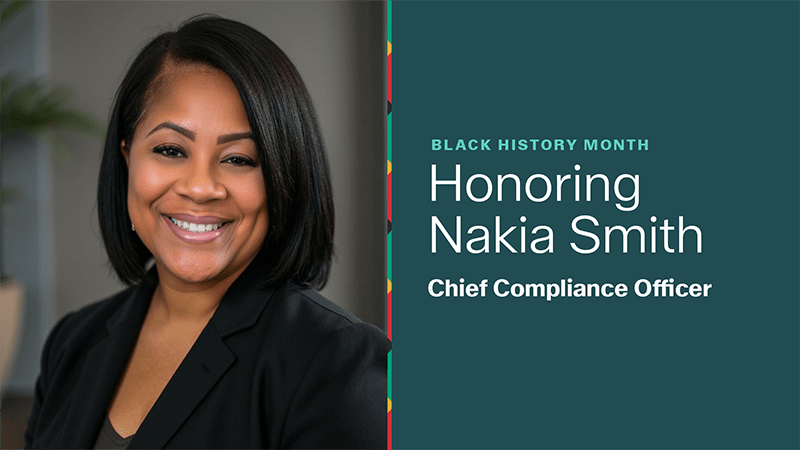
“Khi sự đại diện bị hạn chế, tính tin cậy trở nên quan trọng hơn bao giờ hết,” Smith cho biết. “Sự nhất quán, minh bạch và kết quả là những yếu tố giúp xây dựng niềm tin—cả bên trong tổ chức và với các cộng đồng mà chúng ta phục vụ.”
Smith tự mô tả mình là người vừa có định hướng mục tiêu vừa tập trung vào kết quả, một sự cân bằng mà cô cho là thiết yếu để xây dựng niềm tin trong hệ thống y tế công cộng.
Chăm sóc sức khỏe là một lĩnh vực phức tạp về mặt pháp lý, và việc tuân thủ hàng loạt luật lệ và quy định đòi hỏi trình độ chuyên môn cao và kiến thức sâu rộng. Tuy nhiên, Smith coi tuân thủ không chỉ là vấn đề chính sách hay giám sát. Đối với cô, đó là một biện pháp bảo vệ cốt lõi hỗ trợ việc ra quyết định đạo đức, công bằng và tiếp cận - tất cả đều là yếu tố then chốt cho một hệ thống được thiết kế để phòng ngừa khủng hoảng thay vì phản ứng sau khi sự việc đã xảy ra.
“Tính liêm chính phải được tích hợp vào cách chúng ta làm việc, với các biện pháp bảo vệ đảm bảo rằng chúng ta đang làm điều đúng đắn — ngay cả khi không ai theo dõi,” cô nói. “Đó luôn là một nhiệm vụ cốt lõi trong vai trò lãnh đạo tuân thủ của tôi.”
Cô nhấn mạnh rằng niềm tin, cả trong tổ chức lẫn với cộng đồng, được xây dựng thông qua hành vi nhất quán.
“Chỉ cần nhất quán, tôn trọng, tuân thủ pháp luật và công bằng — tất cả những điều đó đều phù hợp với một hệ thống đạo đức. Bởi vì tôi cảm thấy niềm tin không thực sự được xây dựng thông qua các tài liệu và chính sách, mà là thông qua hành vi của chúng ta và cách mà những kết quả tích cực mà chúng ta đạt được từ hành vi đó có thể được lặp lại,” Smith giải thích.
Sự lãnh đạo của Smith cũng chịu ảnh hưởng sâu sắc từ cam kết lâu dài của cô đối với công tác phục vụ cộng đồng, đặc biệt là việc ủng hộ người cao tuổi. Cô cho rằng mối quan hệ thân thiết với ông bà của mình đã có ảnh hưởng lớn đến cuộc sống và sự nghiệp của cô. Những trải nghiệm ban đầu đó không chỉ định hình phong cách lãnh đạo của cô, mà còn khơi dậy cam kết về công bằng trong chăm sóc sức khỏe, ủng hộ người cao tuổi và phục vụ trong các tổ chức có mục tiêu rõ ràng.
“Tôi lớn lên cùng với ông bà già, những người đã phần nào định hình và ảnh hưởng đến con người tôi,” cô nói. “Vì vậy, khi còn nhỏ, tôi đã dành phần lớn thời gian của mình để ở bên ông bà.”
Kinh nghiệm đó đã khiến cô tập trung phần lớn công việc cộng đồng của mình vào các vấn đề liên quan đến người cao tuổi, bao gồm hoạt động vận động chính sách Medicare và cung cấp dịch vụ cho các cơ quan hỗ trợ người cao tuổi tại cả Georgia và Texas.
“Thật khó để điều hướng hệ thống khi bạn đủ tuổi tham gia Medicare,” Smith nói. “Nếu bạn không có người đại diện hoặc ai đó giúp bạn hiểu về chăm sóc sức khỏe, thì thật khó để điều hướng.”
Tại Central Health, Smith mang đến sự nhận thức tương tự vào quá trình ra quyết định cấp cao, đặc biệt khi tổ chức này nỗ lực mở rộng tiếp cận và giảm bớt rào cản trong việc cung cấp dịch vụ chăm sóc sức khỏe.
“Khi đưa ra quyết định, tôi không chỉ xem xét tác động hoạt động,” cô nói. “Tôi còn xem xét tác động đến cộng đồng. Chúng ta ảnh hưởng đến cộng đồng mà chúng ta phục vụ như thế nào?”
Cô tin rằng việc đại diện là rất quan trọng, đặc biệt là trong một tổ chức được thành lập để phục vụ những người thường phải đối mặt với những rào cản hệ thống trong việc tiếp cận dịch vụ chăm sóc.
“Sự đại diện ở cấp lãnh đạo là điều quan trọng—đặc biệt trong lĩnh vực y tế,” Smith cho biết. “Khi các nhà lãnh đạo phản ánh cộng đồng mà họ phục vụ và lãnh đạo với sự minh bạch và nhất quán, điều đó giúp xây dựng niềm tin và dẫn đến kết quả tốt hơn cho những người phụ thuộc vào chúng ta nhất.”
Smith cũng coi lãnh đạo là một trách nhiệm trong việc phát triển người khác. Cô thường xuyên hướng dẫn các chuyên gia da màu trẻ và khuyến khích họ đầu tư vào bản thân, tìm kiếm sự hướng dẫn và bảo vệ sự liêm chính của mình.
“Các danh hiệu đến rồi đi,” cô nói. “Nhưng danh tiếng và sự chính trực sẽ theo bạn đến mọi nơi bạn đi.”
Cô khuyến khích các nhà lãnh đạo tương lai hãy chuẩn bị kỹ lưỡng và tự tin, đồng thời không đánh mất bản thân trong quá trình đó.
“Hãy đảm bảo rằng sự hiện diện của bạn được biết đến,” Smith nói. “Đừng làm nhỏ giọng mình. Hãy đảm bảo rằng quan điểm của bạn được lắng nghe.”
Tại Central Health, phong cách lãnh đạo của Nakia Smith thể hiện cam kết với sự liêm chính, trách nhiệm và niềm tin. Những giá trị này là yếu tố quan trọng trong việc hỗ trợ và mở rộng quyền truy cập vào dịch vụ chăm sóc sức khỏe, bảo vệ nguồn lực công cộng, và đảm bảo hệ thống hoạt động hiệu quả như mong đợi cho cộng đồng mà nó phục vụ.