عودة القلب إلى المسار الصحيح
12 فبراير 2026
ساعد النظام الصحي المترابط كارل على استعادة صحته القلبية الوعائية
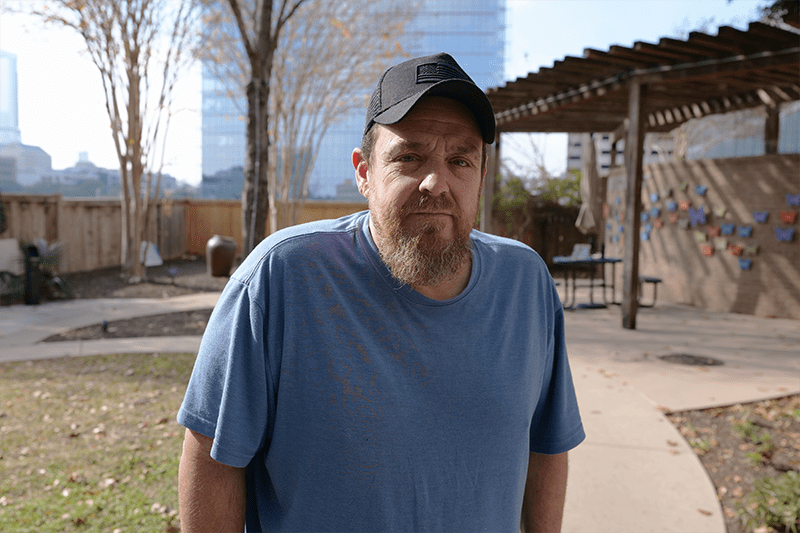
عاش كارل لوبلانك في الشوارع لأطول فترة ممكنة. حتى جاء اليوم الذي لم يستطع فيه ذلك.
سنوات من تعاطي المخدرات، وفقدان زوجته، وعالم بلا حواجز حماية. انكسر ظهره وقلبه. حرفيًا.
“قال كارل: ”قلت في نفسي: “أنا تحت رحمة أي شيء يحدث‘.’
ولحسن حظ الرجل البالغ من العمر 55 عاماً، فإن ما تعرض له بعد ذلك كان منقذاً لحياته.
وقال إنه منذ تلك اللحظة فصاعدًا، اتخذ خطوات لمعالجة التحديات العديدة التي واجهته، بدءًا من إدمان المخدرات إلى قصور القلب الاحتقاني. وفي أعقاب شهر القلب الأمريكي، الذي يُعتبر بمثابة تذكير سنوي بأن أمراض القلب لا تزال السبب الرئيسي للوفاة في الولايات المتحدة، تولى كارل مسؤولية صحة قلبه عندما كان في أمس الحاجة إليها. لقد وثق في نظام Central Health لإرشاده في طريق عودته.
أين بدأت المشاكل في البداية
بعد أن فقد كارل زوجته إيمي في عام 2022، تغيرت حياته تماماً.
“قال: ”لقد انهار عالمي بأكمله“. ”لقد خرجت عن السيطرة."
استمر في استخدام أي شيء وكل شيء.
“قال: ”حاولت التغطية على الألم والخسارة من خلال ذلك".
حاول كارل البقاء على قيد الحياة في الشوارع بمفرده.
لكن المشكلة الأكبر كانت أن تعاطيه للمخدرات أضعف قدرته على الحركة وأضر بقلبه. لم يستطع المشي بضعة أقدام إلى محطة الحافلات. وفي هذا الصدد، لم يستطع الوقوف على قدميه لأكثر من بضع دقائق.
على مر السنين، خضع كارل لخمس دعامات. وكان يعتقد أنه على وشك الإصابة بنوبة قلبية رابعة.
“وقال: ”لم أشعر أنني بخير... على الإطلاق“. ”لم أشعر بأنني طبيعي."
ثم في أحد الأيام في أغسطس 2025، ازداد الأمر سوءًا. سقط كارل ولم يستطع النهوض.
1. بدأ شهر القلب الأمريكي في عام 1964 في عهد الرئيس الأمريكي ليندون جونسون. وأصبحت حملة التوعية دعوة وطنية لتغيير نظرة الجمهور إلى صحة القلب. وبعد مرور أكثر من ستة عقود، لا تزال هذه المهمة مستمرة (جمعية القلب الأمريكية).
2. أمراض القلب هي السبب الرئيسي لوفاة الرجال والنساء والأشخاص من معظم المجموعات العرقية والإثنية. في عام 2023، كانت حالة وفاة واحدة من كل أربع حالات وفاة في الولايات المتحدة بسبب أمراض القلب (مركز مكافحة الأمراض والوقاية منها).
3. ارتفاع ضغط الدم وارتفاع الكوليسترول في الدم هما عاملا الخطر الرئيسيان اللذان يمكن أن يؤديا إلى الإصابة بأمراض القلب (الصليب الأحمر الأمريكي).
4. بلغت قيمة خدمات الرعاية الصحية والأدوية الناجمة عن أمراض القلب أكثر من $168 مليار دولار بين عامي 2021 و2022 (مركز مكافحة الأمراض والوقاية منها).
5. بالنسبة لمعظم الناس، يمكن الوقاية من أمراض القلب التاجية من خلال اتباع نمط حياة صحي للقلب وتناول الأدوية والعلاج (المعهد الوطني للصحة).
وعلى الرغم من سوء الألم، إلا أنه لم يكن أسوأ مشاكله الطبية.
كيف وجد كارل الرعاية الصحية
في الأسابيع التي تلت ذلك، كان الخضوع للجراحة والشفاء من آلام الظهر في مقدمة اهتماماته - ناهيك عن الشغل الشاغل لأطبائه. في هذه الأثناء، طلب كارل المساعدة من برنامج Central Health، حيث سجل في برنامج الوصول الطبي (MAP)، وهو برنامج تغطية الرعاية الصحية لسكان مقاطعة ترافيس ذوي الدخل المنخفض.
Central Health يربط الأشخاص بالتغطية الصحية بأسعار معقولة ويوفر مدخلاً للرعاية الصحية. والنتيجة بالنسبة لسكان مقاطعة ترافيس هي الوصول المناسب إلى الأطباء وإدارة الحالات المزمنة والمساعدة عندما يكونون في أمس الحاجة إليها.
بعد ذلك، تلقى برنامج Central Health إحالة من المستشفى لتسجيل كارل في منشأة تمريض ماهرة، وهو خيار قصير الأجل حيث كان يشرف عليه فريق طبي قبل الجراحة وبعدها. تم تعيين أخصائي صحة مجتمعية ومدير حالة للإشراف على رعايته وجدول مواعيده، ولضمان قيامه بمواعيد طبية مع فرق الرعاية الصحية السلوكية وفرق الرعاية الصحية القلبية التابعة ل Central Health.
التقى كارل مع الدكتور دارين هاريسون، طبيب القلب Central Health، ومع روبي جارسيا، وهي ممرضة مسجلة متقدمة (APRN)، للتعرف على الكسر القذفي أو EF، وهو مقياس لفشل القلب يسجل النسبة المئوية للدم الذي يضخه البطين الأيسر بعد كل نبضة قلب. في مقاطعة ترافيس، كان كارل من بين 2,614 من المسجلين في برنامج MAP في السنة المالية 2023، وفقًا لأحدث تقرير ديموغرافي لبرنامج Central Health، تم تشخيص إصابته بقصور القلب. في عام 2023، وفقًا لمراكز مكافحة الأمراض والوقاية منها، توفي ما يقرب من مليون شخص بسبب أمراض القلب والأوعية الدموية.
لكن كارل كان مصمماً.
“قالت غارسيا: ”جاء كارل متحمسًا جدًا للتغيير“. ”لقد كان متقبلاً لكل ما قدمناه له من تثقيف فيما يتعلق بفشل القلب وخطة العلاج."
عندما التقى فريق طب القلب بكارل لأول مرة، كان معدل EF لديه 40-45% - أي أقل من الحد الأدنى لقلب طبيعي يعمل بشكل جيد. ربما كان ذلك يعني أنه كان في طريقه إلى نوبة قلبية، وربما حتى إلى عملية زرع قلب دائمة. كان هذا أحد أسباب شعور كارل بالتعب طوال الوقت.
“قال كارل: ”إذا كان أي شخص يعرف فكرة أن تكون 100% مرهقًا. “كنت أعرفها. كان الشعور بعدم وجود طاقة.”
عمل فريق طب القلب في عيادة Central Health مع كارل لفهم حالته الصحية العامة، ووضع خطة لإعادته إلى المسار الصحيح. كانت سلسلة من العلاجات الطبية ذات أهمية قصوى، بما في ذلك دواء معتمد من إدارة الغذاء والدواء الأمريكية (FDA) يقلل من خطر الإصابة بقصور القلب والأوعية الدموية ودخول المستشفى بسبب قصور القلب.
في غضون أربعة أشهر تقريبًا، تحسنت حالة كارل إلى مستويات “طبيعية”.
الإيمان بالعملية
بعد أن كان كارل وحيداً في الشوارع، أصبح يشعر الآن بالأمان. وقد تدخل نظام Central Health عندما تعطلت الأمور وأعطاه فرصة لتغيير نتائجه.
“قالت غارسيا: ”لقد جاء مستعدًا للشفاء“، ”وكان منفتحًا على جميع الموارد المتاحة."
يقول كارل إنه مقلع عن الإدمان تماماً منذ 14 أكتوبر.
“قال: ”أدركت أنني كنت في رعاية جيدة حقًا وأنني سأكون غبيًا إذا لم أستغل هذه الفرصة للحصول على فرصة ثانية".
في هذه الأثناء، يتلقى كارل، الذي لا يزال يتعافى من جراحة في الظهر، الرعاية في مركز Central Health للراحة في مركز التعليم السريري، وهو مرفق طبي يضم 48 سريراً لسكان مقاطعة ترافيس الذين خرجوا من المستشفيات أو الملاجئ أو الذين يعيشون في الشوارع. يعمل مديرو الحالة على مساعدته في تأمين سكن دائم.
كل يوم يقترب كارل من عيش حياة أكثر صحة، وبقلب أكثر صحة.
“وقال: ”لا يدرك الناس كم يعني الذهاب في نزهة على الأقدام عندما لا تستطيع القيام بذلك. “والآن عندما تستطيع؟ إنه منظور مختلف تماماً. إنها نعمة.”