كيف يتحول الغذاء إلى رعاية في مقاطعة ترافيس
20 فبراير 20, 2026
الشراكات تربط التغذية بنتائج صحية أفضل
أوستن، تكساس-في يوم مشمس في أكتوبر الماضي في مركز Central Health للصحة والعافية في جنوب شرق تكساس في مركز Central Health، وصلت فيرونيكا كينج على الفور لموعدها المحدد مع برنامج FARMacy المتنقل التابع لبنك الطعام في وسط تكساس، وهو مخزن طعام متنقل لأولئك الذين يعانون من انعدام الأمن الغذائي.
لم تكن كينج بحاجة إلى المساعدة بهذه الطريقة من قبل، لكنها فقدت وظيفتها قبل عام تقريبًا وأصبحت الأوقات صعبة، لذا وعدت نفسها بشيء واحد: إذا كان هناك أي وقت لطلب المساعدة، فستفعل ذلك.
“قالت: ”لقد تواضعت. “لقد وضعت كبريائي جانباً.”
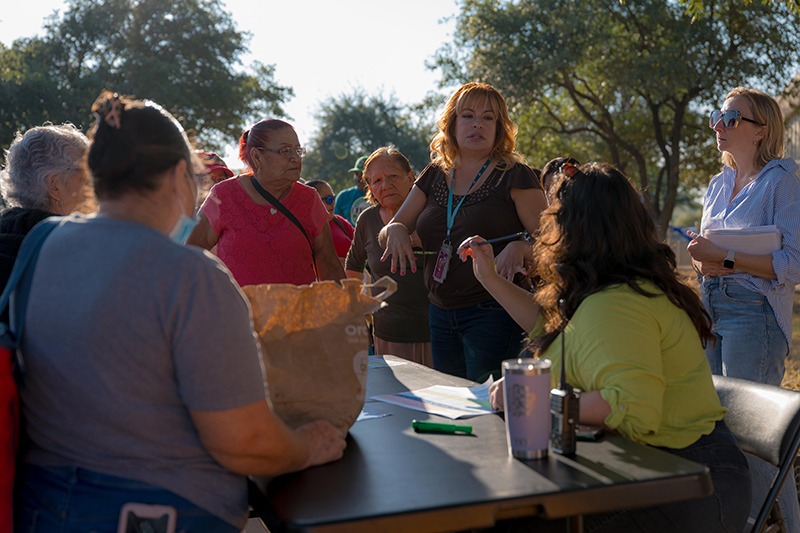
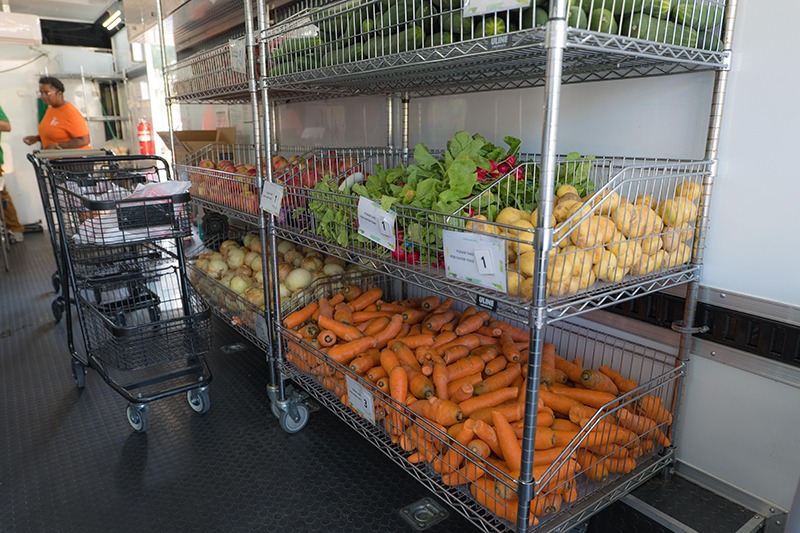
بعد التسجيل في برنامج الوصول الطبي (MAP)، وهو برنامج Central Health للرعاية الصحية لسكان مقاطعة ترافيس ذوي الدخل المنخفض، أحال أخصائي طبي كينغ إلى برنامج FARMacy المتنقل. كانت مبادرة تعاونية بين برنامج Central Health وبنك الطعام في وسط تكساس الذي يقدم طعامًا مغذيًا بدون تكلفة في أربع عيادات Central Health في جميع أنحاء مقاطعة ترافيس كل شهر.
“قال كينغ: ”لقد كنت آتي إلى هنا معظم العام“. ”لقد كانت نعمة."
والأكثر من ذلك، يُحدث البرنامج فرقاً حقيقياً في وسط تكساس.
جنبًا إلى جنب مع عمليات الطرح الهامة مثل برنامج Central Health للوجبات المصممة طبيًا المصممة خصيصًا للوجبات الطازجة من أجل أسواق متنقلة طازجة لأقل في مقاطعة ترافيس الشرقية، تساعد برامج Central Health الغذاء هو الدواء في إعادة تشكيل الوصول إلى الغذاء لآلاف الأشخاص في مقاطعة ترافيس.
بناء الوصول إلى الغذاء
إن مخزن الطعام المتنقل ليس خطة “الغذاء هو الدواء” الوحيدة التي يتم العمل عليها مع Central Health. كجزء من عام الوصول للسنة المالية 2026 للمنظمة، طورت منطقة مستشفيات مقاطعة ترافيس مبادرة أخرى من خلال صندوق الاستثمار في الرعاية الصحية المجتمعية (CHIF).
وفقاً ل إطعام تكساس, ، يوجد في تكساس أعلى عدد من السكان الذين يعانون من انعدام الأمن الغذائي في الولايات المتحدة، حيث يواجه 5.3 مليون من سكان تكساس نقصًا حادًا في الحصول على الغذاء. ويمثل هذا العدد 17.6% من جميع سكان تكساس، أو أسرة واحدة من كل ست أسر.
في نوفمبر الماضي، Central Health طُرحت خدمة توصيل الوجبات الطبية المصممة خصيصًا من خلال صندوق الاستثمار في الرعاية الصحية المجتمعية. يعد البرنامج جزءًا من مبادرة أكبر تعالج انعدام الأمن الغذائي وتوفر إمكانية الوصول إلى الطعام في جميع أنحاء المنطقة - خاصة في مقاطعة ترافيس الشرقية، حيث يعد انعدام الأمن الغذائي والوصول إليه من المخاوف المتزايدة. يتمحور البرنامج حول معالجة انعدام الأمن الغذائي، وإدارة الحالات الصحية المزمنة، وتحسين الصحة العامة، وزيادة الالتزام الطبي، والعمل على الحد من دخول المستشفيات وزيارات الطوارئ. يتم توصيل المرضى مباشرةً مع أخصائي حالات وأخصائي صحة مجتمعية على مدار المدة.
“قالت ميغان سيرماك، المديرة الأولى لاستراتيجية الصحة العامة في برنامج Central Health: ”أحد أهدافنا هو تعريف الناس بالأطعمة التي تساعدهم على إدارة حالاتهم المزمنة بشكل أفضل أثناء وجودهم في البرنامج".
بالتعاون مع بنك الطعام في وسط تكساس، الذي يدعم أكثر من 530,000 شخص يعانون من انعدام الأمن الغذائي كل عام, ، يعمل البرنامج على دفعات مدتها ثمانية أسابيع لأفواج صغيرة يحيلها الأخصائيون. بالإضافة إلى ذلك، تتوفر أربع عشرة وجبة مجمدة للمرضى الذين يعانون من حالات مزمنة أو سوء التغذية. من المقرر أن يستمر البرنامج لمدة عام تقريبًا، ليصل إلى 600 مريض بشكل عام.
“قالت بيلا كيرشنر، نائبة رئيس برامج وخدمات العملاء في بنك الطعام في وسط تكساس: ”أعتقد أننا نعلم أنه عندما يعاني الناس من انعدام الأمن الغذائي، فإن ذلك يؤثر على نتائجهم الصحية“. ”إنها تميل إلى أن تكون دورة مستمرة. ولذا فإن ما نحاول فعله حقًا في هذا البرنامج، بالشراكة مع Central Health، هو أن نكون في المنبع قدر الإمكان. إذا تمكنا من التدخل بالطعام الصحي والمغذي، نأمل أن يتمكن الناس من إدارة نتائجهم الصحية بشكل أفضل، مما سيسمح لهم بالعيش حياة أكثر صحة وازدهارًا أكثر."
كيف يعمل البرنامج
صمم فريق الطعام في بنك الطعام في وسط تكساس وجبات الطعام تحت إشراف أخصائيي التغذية Central Health لاستهداف الحالات الصحية المزمنة لدى المرضى على وجه التحديد. تم تطوير الأطعمة لتكون غنية بالمغذيات، وصحية للقلب، وصديقة للقلب، وصديقة للكلى، وداعمة للجهاز الهضمي، وملائمة لمرضى السكري، ومتوازنة بشكل جيد.
كما تمت مراجعة الوجبات لضمان التزامها بالإرشادات الطبية وملاءمتها للأشخاص من مختلف الثقافات في وسط تكساس. علاوة على ذلك، سيحصل كل مريض على بطاقات تثقيف للمرضى وبطاقات وصفات للمساعدة في تعزيز الصحة الجيدة بعد انتهاء فترة الثمانية أسابيع.
“يقول سيرماك: ”أحد الأهداف الأساسية لهذا البرنامج هو التأكد من أن الطعام عالي الجودة ولذيذ ومغذٍ“. ”الهدف الأساسي هو خدمة المرضى الذين يعانون من حالات مزمنة بعناية - طعام مناسب لشخص مصاب بالفشل الكلوي أو مريض بالسكري أو مريض يعاني من سوء التغذية."
يقوم بنك الطعام بوسط تكساس المركزي بالفعل بتقديم وجبات مصممة خصيصًا لأغراض طبية في جميع أنحاء مقاطعة ترافيس. يقول سيرماك إنه على الرغم من أن هذا قد يبدو بسيطًا على الورق، إلا أنه من الضروري الوصول إلى المرضى - سواء في المنزل أو في الملاجئ.
“قالت الدكتورة ميليندا زابرامبا المديرة الطبية المساعدة في برنامج Central Health: ”أعتقد أن هناك بعض الأجزاء المعطلة في نظامنا والتي يأمل هذا البرنامج في إصلاحها“. ”أعتقد أنه من المهم للغاية فحص انعدام الأمن الغذائي. وأعتقد أيضًا أنه من المهم أن ندرك أن هناك علاقة مباشرة بالصحة من خلال التغذية الجيدة والنتائج الصحية الأفضل."
مستقبل “الغذاء هو الدواء” في مقاطعة ترافيس
في مقاطعة ترافيس الشرقية، والتي تشمل هورنزبي بيند وديل فالي، لا يوجد متجر بقالة وتفتقر العديد من مجتمعاتها إلى إمكانية الحصول على الأطعمة الصحية بأسعار معقولة مثل الفواكه والخضروات. وبمرور الوقت، يمكن أن يؤدي هذا النقص في الوصول إلى ارتفاع معدلات الإصابة بالأمراض المزمنة مثل السكري وارتفاع ضغط الدم وأمراض القلب.
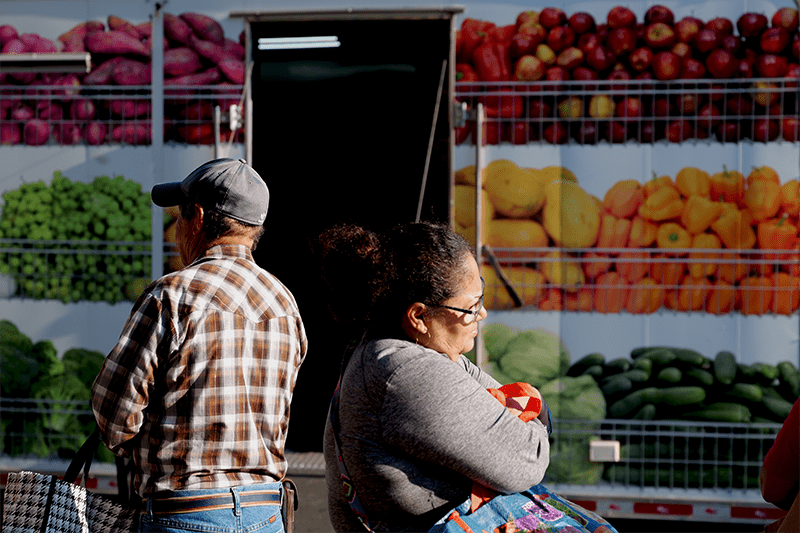
ولسد هذه الفجوة، دخلت شركة Central Health في شراكة مع فارم شير أوستن في 2017 لجلب أسواق البقالة المتنقلة الخاصة بها إلى مراكز الصحة والعافية التابعة لها في جميع أنحاء مقاطعة ترافيس - وهو برنامج منخفض التكلفة ومفتوح لأي مقيم في المنطقة. وفي الوقت نفسه، يوفر برنامج FARMacy المتنقل التابع لبنك الطعام في وسط تكساس للأغذية المتنقلة، وهو برنامج مجاني تمامًا ولكنه يعمل بالإحالة فقط، ويوفر الطعام الصحي للمئات من سكان مقاطعة ترافيس كل شهر.
والأهم من ذلك هو الإلحاح الذي تبديه Central Health تجاه الوصول إلى الغذاء. والهدف هو توفير الوصول إلى من هم في أمس الحاجة إليه وتعزيز الروابط في النظام الغذائي.
وبالنسبة لكينج، ترى حقيقة أساسية واحدة تتجلى في الوقت الفعلي: إنها تعمل.
“قالت: ”عندما أتيت إلى هنا قبل عام، كنت متوترة. “لم أذهب من قبل إلى مخزن طعام متنقل... فريق العمل هو ما يجعل الأمر أفضل.”