چگونه غذا در شهرستان تراویس به مراقبت تبدیل میشود
فوریه ۲۰, ۲۰۲۶
مشارکتها تغذیه را به نتایج سلامت بهتر پیوند میدهند.
آستین، تگزاس—در یک روز آفتابی در اکتبر گذشته، ورونیکا کینگ بهموقع در مرکز سلامت و تندرستی جنوبشرق Central Health حاضر شد تا در قرار ملاقات برنامهریزیشدهاش با برنامه سیار FARMacy بانک غذای تگزاس مرکزی شرکت کند؛ یک انبار غذای سیار برای کسانی که با ناامنی غذایی دستوپنجه نرم میکنند.
کینگ هرگز واقعاً به این شکل به کمک نیاز نداشت، اما حدود یک سال پیش شغلش را از دست داد و اوضاع سخت شد، بنابراین به خودش یک چیز قول داد: اگر زمانی برسد که لازم باشد کمک بخواهد، این کار را انجام خواهد داد.
“او گفت: ”خودم را خاضع کردم.“ او گفت: ”غرورم را کنار گذاشتم.»
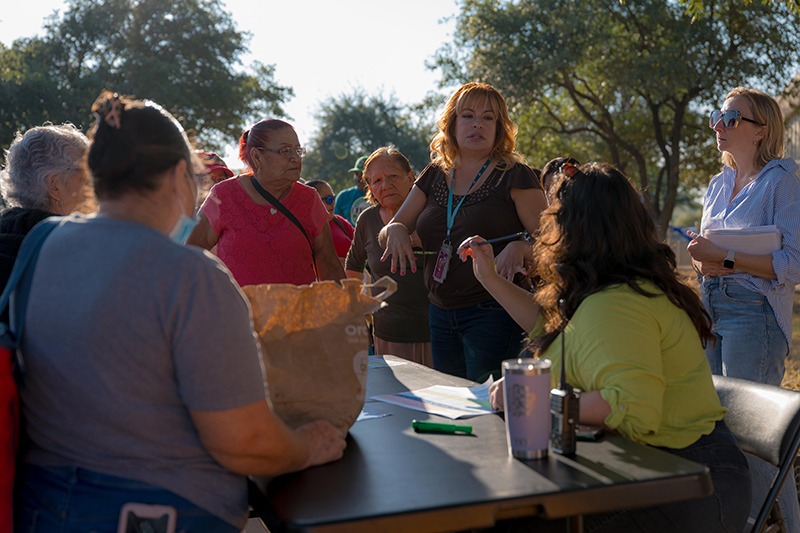
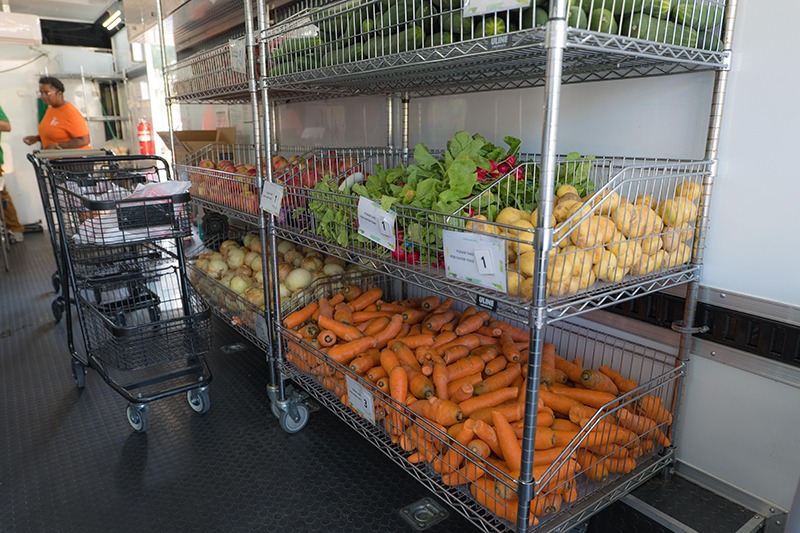
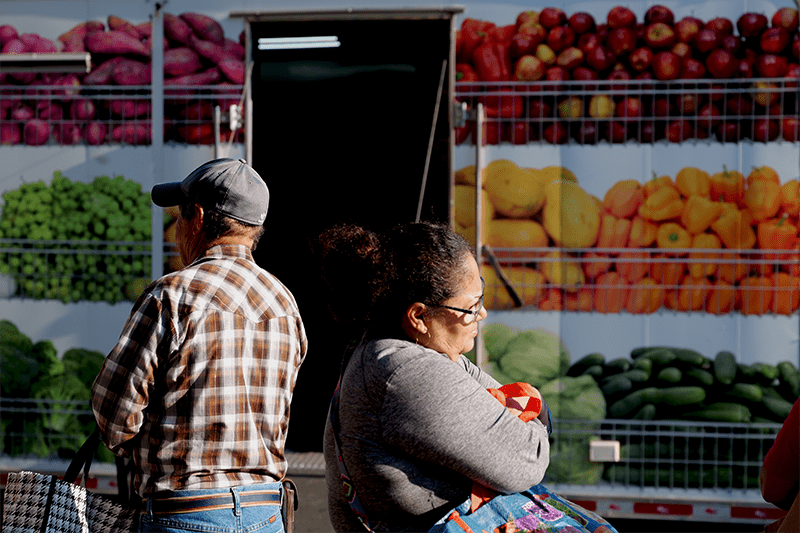
پس از ثبتنام در برنامه دسترسی پزشکی (MAP)، پوشش مراقبتهای بهداشتی Central Health برای ساکنان شهرستان تراویس با درآمد کم، متخصص پزشکی کینگ را به برنامه سیار FARMacy ارجاع داد. این ابتکار مشترک بین Central Health و بانک غذای مرکزی تگزاس بود که هر ماه در چهار کلینیک Central Health در سراسر شهرستان تراویس غذاهای مغذی را بهصورت رایگان فراهم میکرد.
“من بیشتر سال را اینجا میآیم”، کینگ گفت. “این یک نعمت بوده است.”
علاوه بر این، این برنامه در تگزاس مرکزی تفاوت واقعی ایجاد میکند.
در کنار راهاندازیهای مهم مانند برنامه «غذاهای متناسب با نیازهای پزشکی» Central Health و بازارهای سیار «تازه با قیمت کمتر» در شرق شهرستان تراویس، برنامههای «غذا داروی است» Central Health در حال کمک به بازسازی دسترسی به غذا برای هزاران نفر در شهرستان تراویس هستند.
ایجاد دسترسی به غذا
بانک غذای سیار تنها طرح “غذا داروست” نیست که توسط Central Health در دست اجراست. بهعنوان بخشی از «سال دسترسی» سازمان در سال مالی ۲۰۲۶، منطقهٔ بیمارستانی شهرستان تراویس ابتکار دیگری را از طریق صندوق سرمایهگذاری مراقبتهای بهداشتی جامعه (CHIF) توسعه داد.
بر اساس تغذیه تگزاس, تگزاس بالاترین جمعیت را در ایالات متحده دارد که از ناامنی غذایی رنج میبرند؛ ۵٫۳ میلیون تگزاسی با کمبود شدید دسترسی به غذا مواجه هستند. این رقم معادل ۱۷٫۶۱ درصد از کل ساکنان تگزاس یا یک خانوار از هر شش خانوار است.
نوامبر گذشته، Central Health عرضه شد خدمات تحویل وعدههای غذایی متناسب با نیازهای پزشکی از طریق صندوق سرمایهگذاری مراقبتهای بهداشتی جامعه. این برنامه بخشی از یک ابتکار بزرگتر برای مقابله با ناامنی غذایی است و دسترسی به غذا را در سراسر منطقه فراهم میکند—بهویژه در شرق شهرستان تراویس، جایی که ناامنی غذایی و دسترسی به غذا نگرانیهای فزایندهای هستند. این برنامه بر مقابله با ناامنی غذایی، مدیریت بیماریهای مزمن، بهبود سلامت عمومی، افزایش پایبندی به درمانهای پزشکی و تلاش برای کاهش بستری شدن در بیمارستان و مراجعه به اورژانس متمرکز است. بیماران در طول دوره بهطور مستقیم با یک مددکار اجتماعی و یک کارشناس بهداشت جامعه مرتبط میشوند.
“یکی از اهداف ما این است که مردم را با غذاهایی آشنا کنیم که در طول دوره برنامه به آنها کمک میکنند تا بیماریهای مزمن خود را بهتر مدیریت کنند”، گفت مگان چرماک، مدیر ارشد استراتژی بهداشت عمومی Central Health.
با همکاری بانک غذای تگزاس مرکزی، که از بیش از ۵۳۰٬۰۰۰ فرد دارای ناامنی غذایی حمایت میکند هر سال, این برنامه به صورت دورههای هشتهفتهای برای گروههای کوچک ارجاعشده توسط متخصصان اجرا میشود. علاوه بر این، چهارده وعده غذای منجمد برای بیماران مبتلا به بیماریهای مزمن یا سوءتغذیه در دسترس است. این برنامه قرار است به مدت حدود یک سال ادامه یابد و در مجموع تا ۶۰۰ بیمار را پوشش دهد.
“فکر میکنم میدانیم وقتی مردم دچار ناامنی غذایی هستند، بر نتایج سلامتشان تأثیر میگذارد”، گفت بلا کیرشنر، معاون برنامهها و خدمات مشتریان بانک غذای تگزاس مرکزی. “این معمولاً یک چرخه است که مدام ادامه پیدا میکند. بنابراین، آنچه ما واقعاً با این برنامه، با مشارکت Central Health، سعی در انجام آن داریم این است که تا حد امکان در همان ابتدا مداخله کنیم. اگر بتوانیم با غذای سالم و مغذی مداخله کنیم، امیدواریم مردم بتوانند نتایج سلامتی خود را بهتر مدیریت کنند، که این امر به آنها اجازه میدهد زندگی سالمتری داشته باشند و بیشتر شکوفا شوند.”
نحوه کار برنامه
تیم غذایی بانک غذای تگزاس مرکزی تحت راهنمایی متخصصان تغذیه Central Health وعدههای غذایی را بهطور ویژه برای هدفگیری بیماریهای مزمن در بیماران طراحی کرد. این غذاها بهگونهای توسعه یافتهاند که سرشار از مواد مغذی، سالم برای قلب، مناسب برای کلیه، حمایتکننده از دستگاه گوارش، مناسب برای بیماران دیابتی و متعادل باشند.
وعدههای غذایی نیز بازبینی شدند تا اطمینان حاصل شود که با دستورالعملهای پزشکی مطابقت دارند و برای افرادی از فرهنگهای مختلف در تگزاس مرکزی مناسب هستند. علاوه بر این، هر بیمار آموزشهای بیمار و کارتهای دستور پخت دریافت خواهد کرد تا به ترویج سلامت خوب پس از پایان دوره هشتهفتهشان کمک کند.
“یکی از اهداف اصلی این برنامه این است که مطمئن شویم غذا باکیفیت، خوشطعم و مغذی باشد”، سرماک میگوید. “هدف اصلی ارائه مراقبت به بیماران مبتلا به بیماریهای مزمن است — غذایی که برای کسی با نارسایی کلیه، یا دیابتی، یا بیمار سوءتغذیهشده مناسب باشد.”
بانک غذای تگزاس مرکزی هماکنون در سراسر شهرستان تراویس وعدههای غذایی متناسب با نیازهای پزشکی را تحویل میدهد. گرچه این روی کاغذ ساده به نظر میرسد، اما به گفتهٔ سرمک دسترسی به بیماران—چه در خانه و چه در پناهگاهها—ضروری است.
“فکر میکنم چند بخش شکسته در سیستم ما وجود دارد که این برنامه امیدوار است آنها را اصلاح کند”، دکتر میلیندا زابرامبا، معاون مدیر ارشد پزشکی Central Health، گفت. “فکر میکنم بسیار مهم است که برای ناامنی غذایی غربالگری انجام شود. همچنین فکر میکنم مهم است که بپذیریم از طریق تغذیه مناسب و دستیابی به نتایج بهتر در سلامت، ارتباط مستقیمی با سلامتی وجود دارد.”
آیندهی “غذا داروست” در شهرستان تراویس
در شرق شهرستان تراویس، که شامل هورنسبی بند و دل واله میشود، هیچ فروشگاه خواربارفروشی وجود ندارد و بسیاری از جوامع آن به غذاهای سالم و مقرونبهصرفه مانند میوهها و سبزیجات دسترسی ندارند. با گذشت زمان، این کمبود دسترسی میتواند به نرخهای بالاتر بیماریهای مزمن مانند دیابت، فشار خون بالا و بیماری قلبی منجر شود.
برای پر کردن آن شکاف، Central Health با فارمشِر آستین در ۲۰۱۷ برای آوردن بازارهای سیار خرید خواربار خود به مراکز سلامت و تندرستی در سراسر شهرستان تراویس—برنامهای کمهزینه که برای هر ساکن این منطقه در دسترس است. در همین حال، برنامه سیار FARMacy بانک غذای تگزاس مرکزی که کاملاً رایگان است اما فقط از طریق ارجاع کار میکند، هر ماه غذای سالم را برای صدها ساکن شهرستان تراویس فراهم میکند.
مهمترین نکته فوریتی است که Central Health در زمینه دسترسی به غذا نشان میدهد. هدف فراهم کردن دسترسی برای کسانی است که بیش از همه به آن نیاز دارند و تقویت پیوندها در نظام غذایی است.
و برای کینگ، او یک حقیقت اساسی را در زمان واقعی میبیند: این کار میکند.
“وقتی یک سال پیش به اینجا آمدم، مضطرب بودم”، او گفت. “هرگز به انبار غذای سیار نرفته بودم… کارکنان هستند که آن را بهتر میکنند.”