ट्राभिस काउन्टी स्वास्थ्य सेवाका लागि नयाँ घर
अप्रिल २३, २०२६
Central Health ह्यांकक अप्रिल २४ मा खुल्दैछ, जसले प्राथमिक हेरचाह, विशेषज्ञ सेवाहरू, र सामुदायिक सहयोगलाई एकै छानामुनि ल्याउँछ
क्यामेरा चम्किए र ताली बज्यो जब Central Health र समुदायका नेताहरूले करिब डेढ वर्षअघि Central Health ह्यान्कक्सको शिलान्यासमा पहिलो पटक आफ्नो बेल्चा माटोमा गाडे।.
त्यसबेला, ट्राभिस काउन्टीमा सार्वजनिक स्वास्थ्य सेवाको भविष्य एउटा कार्डबोर्डको टुक्रामा बनेको वास्तुशिल्पको रेखाचित्रभन्दा बढी केही थिएन।.
त्यो क्षणलाई जीवन्त बनाउन वास्तवमा कल्पनाको आवश्यकता थियो।.
किनकि तपाईंले त्यतिबेला त्यो देख्न सक्नुभएन भने, तपाईंले Central Health प्रणालीको नयाँ मुख्यालयको कल्पना गर्न सक्नुहुन्थ्यो: अस्टिनको मुटुमा, कम आय भएका ट्राभिस काउन्टीका बासिन्दाहरूका लागि एक आधुनिक र सुलभ स्वास्थ्य सेवा।.
आगामी महिनाहरूमा इँटामाथि इँटा थपिँदै भवन निर्माण सुरु भएपछि, यसको स्वरूपले आकार लिन थाल्यो। करिब २,००,००० वर्ग फुटको यस सुविधाको योजना Central Health प्रणालीको नयाँ क्लिनिकल र प्रशासनिक मुख्यालय बन्ने रहेको छ।.
बिरामीहरूका लागि यसको अर्थ भनेको मेडिकल अपोइन्टमेन्टहरूको लागि प्रतीक्षा समयमा तीव्र कमी, साथै यातायात (३४५ र ३२२ बस स्टपहरू केही पाइला टाढा छन्) र खाद्यान्न असुरक्षा (एच-ई-बी ठीक छेउमा छ) जस्ता महत्त्वपूर्ण आवश्यकताहरूमा पहुँचमा सुधार हुनु हो।.
प्रणाली स्तरमा, Central Healthले Central Health, CommUnityCare Health Centers, र Sendero Health Plans का प्रशासनिक कार्यालयहरू स्थापना गरेर आफ्नो प्रणालीलाई एकीकृत गर्नेछ।.
ट्राभिस काउन्टीका सरोकारवालाहरूले ध्यान दिएका छन्।.
“यो एक गेम चेन्जर हो,” रिचर्ड एस्ट्रे-कानेडाले भने, जो गैर-नाफामुखी फ्रnds अफ द डेभिड पावेल क्लिनिकका अध्यक्ष हुन्, र ट्राभिस काउन्टीमा एचआईभी र एड्स हेरचाहका लागि लामो समयदेखि पैरवी गर्दै आएका छन्। “त्यो सुविधाले तपाईंलाई स्वास्थ्य सेवाका अतिरिक्त तपाईंले आफ्नो जीवनमा गरिरहनुभएका सबै कामहरूका साथै स्वास्थ्य सेवा लिन मद्दत गर्छ। त्यो महत्वपूर्ण छ।”
भविष्यको लागि तयारी

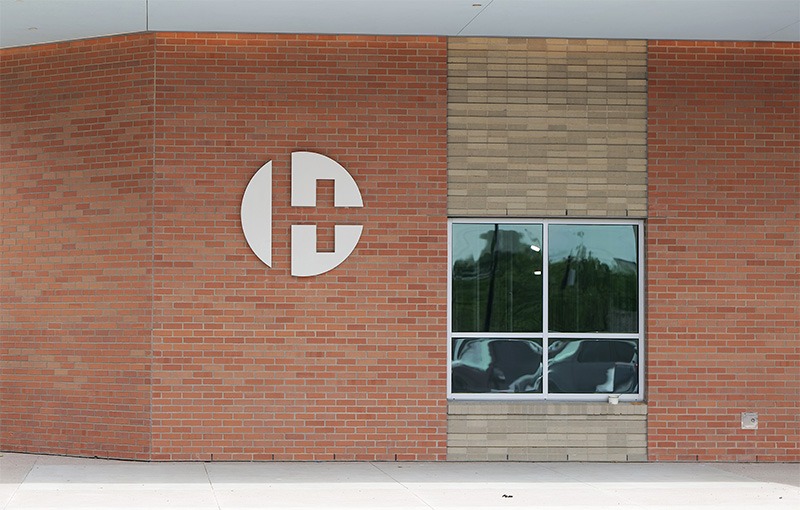
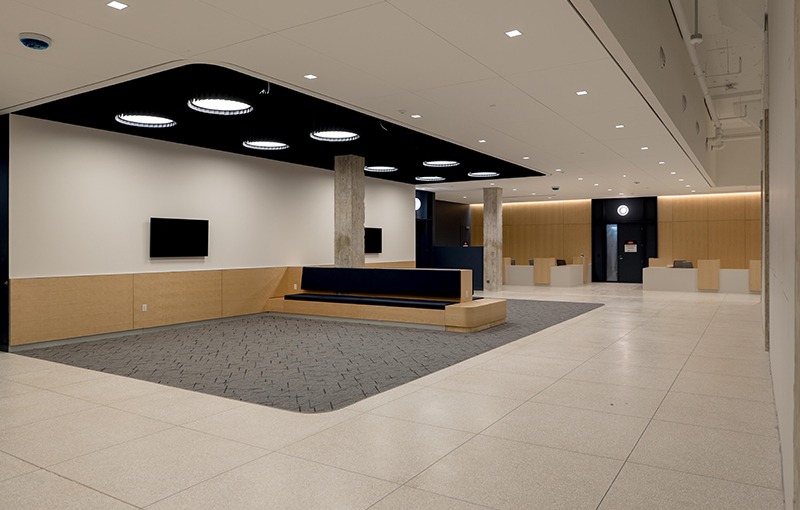
सन् २०२१ मा, Central Health ह्यान्ककको भविष्यलाई सम्भव तुल्याइयो जब Central Health म्यानेजर्स बोर्डले १५० मिलियन डलर ऋण जारी गर्न स्वीकृति दियो ताकि अस्टिनमा विगत पाँच दशकभन्दा बढी समयदेखि रहेको पूर्व सियर्स रहेको भवनलाई किन्न र मर्मतसम्भार गर्न सकियोस् ($)।.
“हामीले लामो अवधिको प्रशासनिक खर्च नियन्त्रण गरेर न्यून आय भएका व्यक्तिहरूको स्वास्थ्य सेवामा लगानी गर्नेछौं,” पूर्व Central Health अध्यक्ष तथा प्रमुख कार्यकारी अधिकृत माइक जिसलिनले त्यसबेला भनेका थिए। “समयसँगै, भाडामा लिनुभन्दा स्वामित्वमा राख्नु सस्तो हुन्छ, र सार्वजनिक रकमको व्यवस्थापन करदाताहरूप्रति हाम्रो जिम्मेवारीको एक भाग हो।”
Central Health बोर्डको सो ऐतिहासिक निर्णयले Central Health प्रणालीलाई एउटा एकीकृत संगठनको रूपमा अगाडि बढ्न तयार पार्यो।.
समिपमा, Central Health र CommUnityCare मिलेर सार्वजनिक स्वास्थ्य केन्द्रको रूपमा चिनिन्छ। यो एक यस्तो प्रणाली हो जसले कमजोर जनसङ्ख्यालाई व्यापक हेरचाह प्रदान गर्दछ, यद्यपि प्रत्येक निकायको आ-आफ्नो स्थान छ।.
कम्युनिटीकेयर, एक संघीय योग्य स्वास्थ्य केन्द्र (एफक्युएचसी), ले प्राथमिक र दन्त हेरचाह र अन्य सेवाहरू प्रदान गर्नका लागि अभ्यास सम्झौताहरू गरेको छ, जबकि Central Health, एक योजनाकार, भुक्तानीकर्ता र स्वास्थ्य सेवा प्रदायकले ट्राभिस काउन्टीका बिरामीहरूलाई २० भन्दा बढी विशेषज्ञता र निदान सेवाहरू प्रदान गर्दछ। सेन्डेरो हेल्थ प्लान्स, एक समुदायमा आधारित स्वास्थ्य योजना प्रदायक, यस प्रणालीलाई पूरा गर्दछ।.
नयाँ मुख्यालयको निर्माण, जहाँ अन्ततः प्राथमिक हेरचाह, दन्त हेरचाह र विशेषज्ञ हेरचाह एक एकीकृत, समुदाय-केन्द्रित मोडेलमा रहनेछ, यसले आगामी ३० वर्षमा सेवाहरूलाई एकीकृत गर्ने र स्वास्थ्य सेवा वितरण लागत बचत गर्ने अपेक्षा गरिएको छ।.
“भिवन्ट हेल्थ (पहिले एड्स सर्भिसेज अफ अस्टिन), हामीले समावेशी र एकीकृत वातावरणमा एचआईभी हेरचाह प्रदान गर्ने प्रभावकारिता प्रत्यक्ष देखेका छौं र Central Health र CommUnityCare लाई यस नयाँ ठाउँमा खोल्ने पहिलो क्लिनिकको रूपमा डेभिड पावेल क्लिनिकलाई प्राथमिकता दिएकोमा हामी प्रशंसा गर्दछौं,” भिवन्ट हेल्थका वरिष्ठ निर्देशक फिलान्थ्रोपी र सामुदायिक संलग्नताका ब्रान्डन वोलेरसनले भने।.
करदाता र समुदायका नेताहरूका लागि, त्यो वाचा महत्त्वपूर्ण छ।.
“हामीसँग यो देशमा स्वास्थ्य सेवा प्रवाहको एक अव्यवस्थित प्रणाली छ,” ट्राभिस काउन्टी प्रिसिन्क्ट २ कमिश्नर ब्रिजिड शियाले भनिन्। “यो Central Health का लागि यी सबै सेवाहरूलाई एकै केन्द्रीय स्थानमा राख्नु ठूलो सुधार हो।”
शे यस विचारमा एक्लो छैन।.
वर्षौंदेखि, सहरका नेताहरूले Central Health लाई समर्थन गर्दै आएका छन् किनकि यसले ट्राभिस काउन्टीभरि हेरचाहको एक जोडिएको नेटवर्क निर्माण, भुक्तान र प्रदान गरेको छ, प्रायः स्वास्थ्य सेवा स्रोतहरूको पर्याप्त पहुँच नभएको ठाउँहरूमा।.
पूर्वी ट्राभिस काउन्टीमा, जुन एक समय स्वास्थ्य सेवाको मरुभूमि मानिन्थ्यो, Central Health ले सन् २०२३ मा हार्नस्बी बेन्ड हेल्थ एन्ड वेलनेस सेन्टर र सन् २०२ २०२ मा डेल भाले हेल्थ एन्ड वेलनेस सेन्टर खोल्यो। सन् २०२७ मा कोलोनि पार्क हेल्थ एन्ड वेलनेस सेन्टर खोल्ने तयारी छ।.

सिस्टमको परिवर्तनको अर्को चरण Central Health ह्यान्कॉक हो।.
“दीर्घकालमा, यस क्याम्पससँग ट्राभिस काउन्टीमा थप समन्वयित, समुदाय-केन्द्रित स्वास्थ्य प्रणालीलाई आधार प्रदान गर्ने क्षमता छ,” अस्टिन सिटी काउन्सिल सदस्य जोहेब काद्रीले भने। “क्लिनिकल सेवा, सार्वजनिक स्वास्थ्य कार्यक्रम र सहयोगी स्रोतहरूलाई एकै ठाउँमा ल्याएर, यसले हेरचाहको निरन्तरता र स्वास्थ्य परिणामहरू सुधार गर्न मद्दत गर्दछ, विशेष गरी ती बासिन्दाहरूका लागि जसले ऐतिहासिक रूपमा हेरचाहमा पहुँच गर्न सबैभन्दा ठूलो चुनौतीहरूको सामना गरेका छन्।”
एस्ट्रे-क्यानाडा भन्छिन् कि अर्को कुरा पनि महत्त्वपूर्ण हुनेछ। जब प्रशासनिक कार्यालयहरू खुल्छन्, तिनीहरू क्लिनिकहरू आफैं हुने भवनमा हुनेछन्।.
“त्यहाँ Central Healthको कार्यालय हुनु, मानिसहरूलाई सेवा पनि दिइरहनु,” उनले भने, “…त्यो महत्त्वपूर्ण कुरा हो।.
“एउटा बिरामीले (Central Health नेताहरू) उनीहरू हिँड्ने त्यही ढोकाबाट भित्र पसेको देख्न सक्छन्। यो एउटा संकेत हो कि Central Health ले स्वास्थ्य सेवालाई आफ्नो दैनिक दिनचर्याको अङ्ग बनाएको छ। सामुदायिक क्लिनिकहरू टाढा हुँदैनन्। तिनीहरू केन्द्रीय स्थानमा अवस्थित छन्।”
दीर्घकालीन सफलताको भविष्यवाणी
Central Health ह्यान्ककको दीर्घकालीन प्रभाव भुइँ तहबाट सुरु हुनेछ।.
अप्रिल २४ देखि बिरामीहरूले डेभिड पावेल हेल्थ सेन्टरमा उपचार सुरु गर्नेछन्, जुन ३५ वर्षभन्दा बढी समयदेखि ट्राभिस काउन्टीका बासिन्दा र अन्यलाई सेवा प्रदान गर्दै आएको एचआईभी रोकथाम र उपचार क्लिनिक हो। यसअघि ४६१४ नर्थ इन्टरस्टेट ३५ फ्रन्टेज रोडको पुरानो क्लिनिकमा उपचार गराइरहेका बिरामीहरू यसको नयाँ स्थानमा सर्नेछन्।.
डेभिड पावेल स्वास्थ्य केन्द्रको मुख्य उद्देश्य उनीहरूलाई हेरचाह गर्नु थियो जसलाई स्वास्थ्य सेवाको पहुँच थिएन। यसको प्रेरणा सन् १९८९ मा एड्स-सम्बन्धी जटिलताका कारण मर्नुभएका पूर्व अस्टिन शहरका सामाजिक कार्यकर्ता डेभिड पावेलबाट मिलेको थियो, जसको यो सपना साकार हुनुअघि नै निधन भएको थियो।.
यति धेरै समय बितिसक्दा पनि, क्लिनिकको उद्देश्य अझै कायमै छ।.
“एचआईभीबाट पीडित व्यक्तिहरूका लागि जो सार्वजनिक स्वास्थ्य सेवा प्रणाली प्रयोग गर्छन्, डाक्टरकहाँ जानु मूल्यवान् हुनसक्छ,” अस्ट्रे-कानेडाले भने। “तपाईंले कुर्नुपर्ने हुनसक्छ। तपाईले हेरचाह लिनका लागि क्षेत्र बाहिर यात्रा गर्नुपर्ने हुनसक्छ। तपाईलाई आवश्यक पर्ने औषधिहरू नपाउन सक्नुहुन्छ। तर नयाँ Central Health ह्यान्कक सुविधामा, तपाईले ती सबै कुरा एक सुन्दर र मैत्रीपूर्ण ठाउँमा गर्न सक्नुहुन्छ, जहाँ मानिसहरू जान चाहन्छन्। यसरी काम पूरा गर्ने हो।”
जान्नुपर्ने कुराहरू:
Central Health ह्यान्ककले २०२६ सम्ममा आफ्ना सेवाहरूको विस्तारका लागि तयारी जारी राखेको छ।.
अस्टिनका नेताहरू भन्छन् कि उनीहरू यसका लागि थप तयार हुन सक्दैनन्।.
“अस्टिनको विकास जारी रहँदा, हाम्रो स्वास्थ्य सेवा पूर्वाधार पनि त्यसैसँगै सुलभ र न्यायपूर्ण तरिकाले बढ्नुपर्छ,” काउन्सिल सदस्य कादरीले भने। “Central Health ह्यान्कक त्यस दिशामा एक महत्त्वपूर्ण कदम हो।”