Vươn tới những đỉnh cao mới cùng MAP
Tháng 8 21, 2026
Mckayla Leonares tìm thấy dịch vụ chăm sóc sức khỏe dễ tiếp cận và một con đường bất ngờ trở lại với môn thể thao cô yêu thích
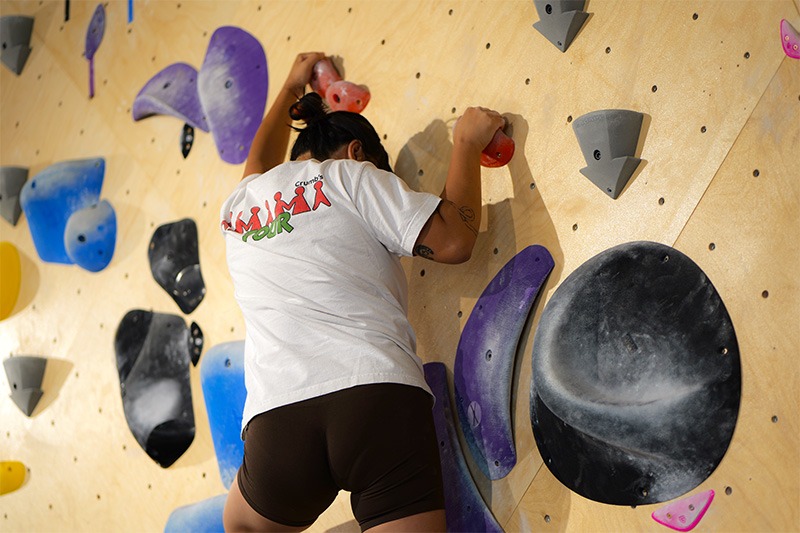
Mckayla Leonares đã yêu thích môn leo núi kể từ khi cô 20 tuổi. Dù là ở ngoài trời trên một vách đá hay vươn lên trên bức tường leo núi trong nhà, bộ môn này đã mang lại cho cô sức mạnh, sự dẻo dai, sự tự tin và tuyệt vời nhất là sức khỏe tốt.
“Cố gắng tìm cách leo lên một tuyến đường,” Leonares, 28 tuổi, cho biết, “thật là phấn chấn về mặt tinh thần.”
Tuy nhiên, điều đó không phải lúc nào cũng rẻ.
Leo núi, giống như hầu hết các môn thể thao khác, cũng không tránh khỏi ảnh hưởng của lạm phát gia tăng. Người leo núi phải mua giày, dây thắt lưng, móc leo núi, túi phấn, dây an toàn và mũ bảo hiểm. Ngoài ra, còn có thể phải trả phí thành viên hàng tháng tại phòng tập leo núi. Hiện nay, những người leo núi ở Trung Texas muốn tập luyện đều đặn tại phòng tập (và tránh cái nắng gay gắt) phải chi trả từ $950 trả trước cho một năm đến $95 nếu thanh toán theo tháng.
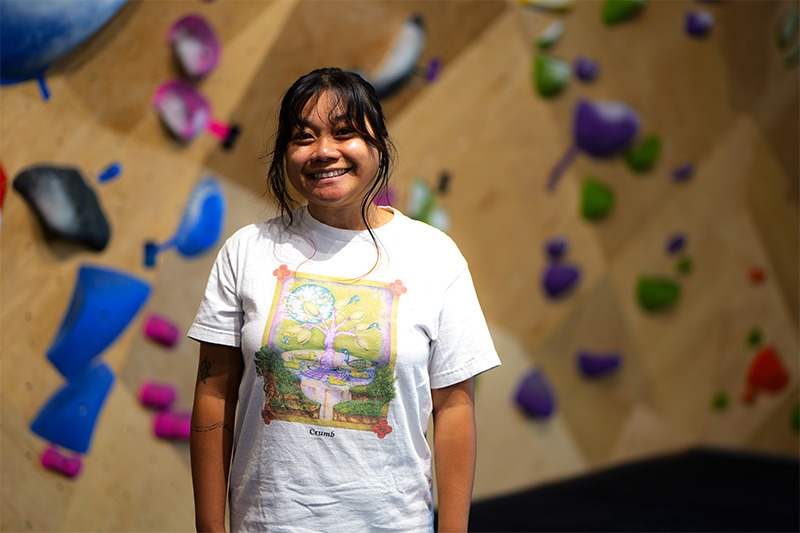
Là một nhân viên phục vụ trong ngành nhà hàng mới đến Austin cách đây hai năm, cô luôn ưu tiên các nhu cầu như chăm sóc sức khỏe lên hàng đầu và các hoạt động ngoại khóa xuống cuối cùng. Nhưng việc tìm kiếm kết nối với dịch vụ chăm sóc sức khỏe cũng không phải lúc nào cũng dễ dàng.
“Thật sự rất khó để tìm một nhà cung cấp dịch vụ y tế tự chi trả,” cô ấy nói. “Thành thật mà nói, tôi thậm chí còn không biết phải bắt đầu từ đâu để đặt lịch hầu hết mọi việc mà không có bảo hiểm.”
Tuy nhiên, vào tháng 2, Leonares đã tìm được sự an tâm nhờ chương trình MAP (Chương trình Tiếp cận Dịch vụ Y tế Central Health), một chương trình bảo hiểm y tế dành cho cư dân có thu nhập thấp tại Hạt Travis. Cô đã đăng ký tham gia chương trình này vào tháng 2.
Sau đó, tin tức còn tuyệt vời hơn nữa lại tiếp nối.
Một ngày nọ, khi đang lướt qua trang web của Crux Climbing Gym – một trung tâm leo núi có trụ sở tại Trung Texas với hai chi nhánh ở Austin và một chi nhánh khác ở Pflugerville – Leonares đã vô cùng ngạc nhiên khi biết rằng gói bảo hiểm MAP của cô có thể giúp cô đăng ký thành viên leo núi hàng tháng.
“Chúng tôi hiểu rằng mỗi người đến từ những hoàn cảnh khác nhau với mức thu nhập khác nhau, và chúng tôi cũng hiểu rằng các hệ thống áp bức có những tác động lâu dài góp phần ảnh hưởng đến sự ổn định tài chính của một cá nhân,” đoạn viết trên trang web của Crux cho biết. “Hy vọng của chúng tôi là với mô hình này, chúng tôi có thể thách thức những hệ thống đó và hướng tới một cộng đồng đại diện đầy đủ cho tất cả mọi người.”
Một chương trình leo núi chi phí thấp
Vào cuối năm 2023, Crux Climbing Gym đã ra mắt “Send What You Can,” một chương trình hội viên nhằm mở rộng khả năng tiếp cận cho những người leo núi có thu nhập thấp.
“Chúng tôi luôn nỗ lực để bộ môn leo núi có thể tiếp cận được với tất cả mọi người,” Grace Nicholas, giám đốc vận hành của Phòng tập Leo núi Crux, cho biết.
Nicholas cho biết phòng tập thể dục này ban đầu được thúc đẩy bởi chương trình “Museums for All” – một sáng kiến quốc gia áp dụng mức giá ưu đãi khi tham quan bảo tàng dành cho những người tham gia các chương trình hỗ trợ của liên bang như SNAP (Chương trình Hỗ trợ Dinh dưỡng Bổ sung). Tại địa phương, Trung tâm Hoa dại Lady Bird Johnson và Vườn Bách thảo Zilker là hai trong số các cơ sở ở Trung Texas cung cấp vé vào cửa miễn phí hoặc giá vé ưu đãi cho các thành viên MAP thông qua sáng kiến “Museums for All”.
“Đó chính là quan niệm rằng ‘Sức khỏe là tài sản”,“ Rudy Ybarra, Phó Chủ tịch phụ trách Phát triển Kinh doanh tại Sendero Health Plans — một đơn vị thuộc hệ thống Central Health — cho biết. “Không chỉ việc đi khám bác sĩ mới giúp bảo vệ sức khỏe thể chất của bạn, mà còn cả hoạt động thể chất và sức khỏe tinh thần nữa. Việc ra ngoài tận hưởng những không gian đó sẽ giúp bạn không phải đi khám bác sĩ thường xuyên hơn — thay vào đó, chúng sẽ giúp bạn tiết kiệm thời gian để dành cho những lúc thực sự cần thiết.”
Chương trình của Crux yêu cầu các thành viên phải tham gia các chương trình MAP, SNAP, STAR (Chương trình Cải cách Tiếp cận Medicaid của Bang Texas), CHIP (Chương trình Bảo hiểm Y tế Trẻ em) hoặc WIC (Chương trình Dinh dưỡng Bổ sung cho Phụ nữ, Trẻ sơ sinh và Trẻ em) và yêu cầu đăng ký $10, bằng chứng về tư cách tham gia, sau đó là mức phí đã thỏa thuận.
Nicholas cho biết, cho đến nay, chưa đầy hai chục thành viên đã đăng ký.
“Chúng tôi nhận ra các phòng tập trên toàn quốc đang tăng giá, và do tiền thuê mặt bằng tăng, chúng tôi cũng đang tính đến việc phải tăng giá,” Nicholas cho biết. “Nhưng có điều gì đó trong việc đó khiến tôi không thấy thoải mái, bởi vì về cơ bản là chúng tôi đang nâng tầm tệp khách hàng của mình lên một phân khúc khác.”
Leonares rất biết ơn vì cơ hội này.
“Đây là khoảng thời gian tôi có thể leo núi ổn định nhất trong đời,” cô ấy nói. “Các gói hội viên khá đắt đỏ, vì vậy hình thức này thực sự rất hợp túi tiền và cho phép tôi tham gia thường xuyên hơn.”
Các gói thành viên giảm giá của Crux Climbing Gym chỉ là một phần trong cam kết của tổ chức nhằm mở rộng cơ hội tiếp cận cho người dân tại Hạt Travis. Ngoài ra, tổ chức này còn đóng góp số tiền tương đương với các khoản quyên góp từ cộng đồng, qua đó huy động được hơn $12,000 cho NAACP, Austin Justice Coalition, Campaign Zero và Black Lives Matter; tổ chức các ngày leo núi thích ứng dành cho những người có nhu cầu đặc biệt; đồng thời hợp tác với các tổ chức phi lợi nhuận để cung cấp mức giá ưu đãi cho các trại hè và các thành viên trong cộng đồng BIPOC và LGBTQ+.
“Tôi biết việc tìm kiếm các nguồn lực như thế này khó khăn đến mức nào. Và tôi biết việc điều hướng hệ thống chăm sóc sức khỏe có thể nản lòng ra sao.” – Mckayla Leonares
Khám chữa bệnh
Mặc dù khả năng leo trèo đều đặn là một điểm cộng trong cuộc sống của Leonares, nhưng việc tiếp cận dịch vụ chăm sóc sức khỏe toàn diện lại mang tính chất chuyển đổi.
Sau khi tìm hiểu về chương trình MAP trên mạng, cô ấy đã điền đơn đăng ký, được chấp thuận và chỉ trong vài ngày đã nhận được thẻ MAP.
“Quá trình nộp hồ sơ rất dễ dàng,” cô ấy nói. “Tôi không biết là có thứ như vậy.”
Tiếp theo là một cuộc hẹn khám sức khỏe ban đầu tại Trung tâm Y tế South Austin thuộc Hệ thống Trung tâm Y tế CommUnityCare, một cơ sở y tế đa chuyên khoa nằm trên đường South 1st Street, cung cấp các dịch vụ y tế gia đình, nội khoa và sức khỏe phụ nữ — cùng nhiều chuyên khoa khác. CommUnityCare là một phần của hệ thống Central Health.

“Thành thật mà nói, đây là một trong những dịch vụ chăm sóc tốt nhất mà tôi từng nhận được,” cô ấy nói. “Tôi nghĩ điều đáng ngạc nhiên là tính toàn diện của nó, sự sẵn lòng giải đáp các câu hỏi của tôi từ (các bác sĩ) và cung cấp cho tôi các nguồn lực cho cuộc hẹn tiếp theo. Tôi chưa bao giờ cảm thấy bất kỳ câu hỏi nào của mình bị phớt lờ.”
Hiểu được toàn bộ phạm vi bảo hiểm chăm sóc sức khỏe của mình là một bước tiến quan trọng đối với Leonares, người mà quyền lợi đó không phải lúc nào cũng được đảm bảo khi làm việc trong các nhà hàng. Đôi khi, khái niệm đó dường như là điều không thể. Có những năm, cô phải sống không có bảo hiểm.
“Tôi biết việc tìm kiếm các nguồn lực như thế này khó khăn đến thế nào,” cô ấy nói. “Và tôi biết việc điều hướng hệ thống chăm sóc sức khỏe có thể nản lòng đến mức nào.”
Nhưng cô ấy chưa bao giờ từ bỏ.
Cô dành phần lớn thời gian rảnh rỗi để tìm hiểu và nghiên cứu về các chương trình công cộng. Đối với chương trình MAP, cô sẽ phải nộp đơn lại vào tháng 8 và xác nhận lại điều kiện tham gia sau khi kết thúc giai đoạn sáu tháng đầu tiên.
Bất kỳ kiến thức nào cô ấy thu nhận được, cô ấy thường cố gắng truyền lại cho người khác.
“Tôi luôn nhắc đến MAP,” Leonares nói. “Tôi luôn nói với mọi người rằng: ‘Nếu bạn sống ở thành phố này, bạn sẽ đủ điều kiện.’”
Tương lai phía trước
Nicholas cho biết mục tiêu dài hạn của Crux Climbing Gym là giúp cho môn leo núi thể thao trở nên dễ tiếp cận hơn.
“Đến một nơi nào đó để rèn luyện thể chất thực sự giúp ích cho tinh thần và cuộc sống nói chung của bạn,” cô ấy nói. “Việc đến phòng tập thể dục và tập luyện là một sự xa xỉ. Vì vậy, nếu có bất kỳ rào cản nào mà chúng ta có thể dỡ bỏ để cho phép nhiều thành viên trong cộng đồng của chúng ta được hưởng lợi hơn, chúng ta sẽ cố gắng.”
Vào một buổi sáng giữa tuần gần đây, Leonares xỏ giày leo núi, bước lên thảm và đặt đôi bàn tay phủ đầy phấn lên bức tường.
Tiếp theo là một đoạn leo dốc khó khăn.
Không còn nghi ngờ gì nữa, đó là một tuyến đường khó khăn, đầy những bức tường ngả ngược và những điểm bám lắt léo.
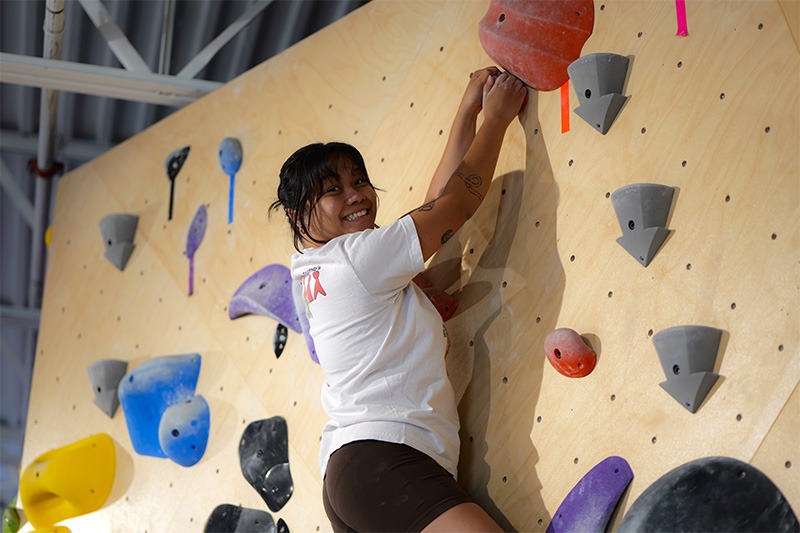
“Tuyến đường đó là nỗi thống khổ của đời tôi,” cô ấy nói.
Mặc dù vậy, “Tôi vẫn cứ quay lại,” cô ấy nói. “Thật rất thú vị khi thấy sự tiến bộ theo nghĩa đó.”