Sự nghiệp chăm sóc sức khỏe trước đại học
Tháng 6 26, 2026
Học viện Y tế Trung tâm Texas đào tạo sinh viên lấy chứng chỉ trong các ngành nghề điều dưỡng và CNTT y tế.
Ashley King chỉ ra một khoảnh khắc vài năm trước đã thay đổi mọi thứ. Đó là khi các nhà lãnh đạo của Workforce Solutions Capital Area và Quỹ Michael & Susan Dell Foundation đến Dallas để tìm hiểu sâu về một chương trình trường bán công sáng tạo.
Vào thời điểm đó, tình trạng thiếu hụt nhân lực đang nghiền nát ngành chăm sóc sức khỏe (Lưu ý: tình trạng này vẫn còn tiếp diễn).
Tuy nhiên, điều họ tìm thấy là một đề xuất độc đáo: một trường trung học về chăm sóc sức khỏe, đào tạo học sinh cho các nghề nghiệp tương lai như điều dưỡng, khoa học y sinh và dịch vụ chẩn đoán.
Năm 2023, Bloomberg Philanthropies đã trao khoản tài trợ trị giá $14,9 triệu cho Baylor, Scott & White và Uplift Education, một mạng lưới trường công lập tự trị tại Bắc Texas với 23.000 học sinh. Cùng nhau, họ đã thành lập Viện Y tế Uplift Heights, một trường dự bị nhằm đào tạo thế hệ nhân viên y tế tiếp theo trước khi họ nộp đơn xin việc lần đầu tiên.
Chuyến đi là một trải nghiệm mở mang tầm mắt.
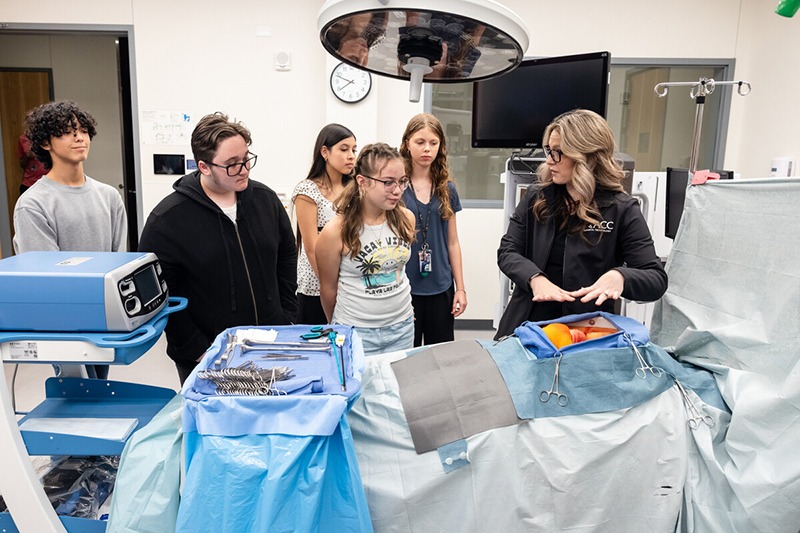
“Chúng tôi đã tự hỏi, ‘Làm thế nào chúng ta có thể làm điều này?’” King, giám đốc đối tác chăm sóc sức khỏe tại Workforce Solutions Capital Area, cho biết. “Chúng tôi đã liên hệ với các đối tác ngành, hệ thống bệnh viện và cố gắng xác định các cơ hội nghề nghiệp khả thi đáp ứng nhu cầu của sinh viên.”
Tiếp theo là đến giai đoạn xây dựng ý tưởng tại địa phương.
Đẩy mạnh Đường ống Y tế Tiến lên
Vào tháng 5, vài năm sau chuyến lưu diễn ban đầu ở Dallas, Workforce Solutions Capital Area đã triển khai Đối tác Chăm sóc Sức khỏe Trung tâm Texas, phối hợp với Pflugerville ISD và Hays CISD, và chính thức thực hiện bước tiếp theo hướng tới việc cung cấp một chương trình sáng tạo.
Nhờ khoản đầu tư $10 triệu từ một loạt các nhà tài trợ, bao gồm $6,3 triệu từ Quỹ Michael & Susan Dell, thêm $3,2 triệu từ Bloomberg Philanthropies, và $740.000 từ Quỹ St. David’s, Học viện Y tế Trung tâm Texas – được thành lập vào năm 2018 và chuyên hỗ trợ các sáng kiến dành cho học sinh từ mầm non đến lớp 12 – đã nhận được một cú hích mạnh mẽ.
Trước một khán phòng chật kín tại Trung tâm Mô phỏng Khu vực thuộc Khoa Khoa học Sức khỏe của Trường Cao đẳng Cộng đồng Austin (Austin Community College) tại Cơ sở Highland, các nhà lãnh đạo trong khu vực đến từ các lĩnh vực giáo dục đại học, chăm sóc sức khỏe và phát triển nguồn nhân lực đã vạch ra tương lai của trường và giải thích về những thay đổi có thể xảy ra trong quy trình đào tạo nguồn nhân lực. Liên minh Chăm sóc Sức khỏe Trung tâm Texas bao gồm các hệ thống y tế lớn như Central Health, Ascension Seton, St. David’s HealthCare và Baylor, Scott & White.
“Bằng việc mang đến cho sinh viên con đường đạt được mức lương đủ nuôi sống gia đình ở tuổi 18—không phải ở tuổi 22, không phải ở tuổi 24, mà là ở tuổi 18—chúng ta không chỉ thay đổi cuộc sống của họ, mà chúng ta còn thay đổi cuộc sống của gia đình tương lai của họ và nhiều thế hệ sau này,” Tiến sĩ Russell Lowery-Hart, Hiệu trưởng ACC, cho biết.
Học viện bốn năm, sẽ cung cấp học phí miễn phí và tín chỉ ghi danh kép thông qua ACC, sẽ chuẩn bị cho học sinh trung học từ lớp chín đến lớp 12 cho sự nghiệp điều dưỡng chuyên nghiệp, trợ lý y tế, công nghệ thông tin y tế, và công nghệ phẫu thuật và xạ trị.
Mỗi học sinh dự kiến sẽ tốt nghiệp với bằng tốt nghiệp trung học và chứng chỉ chăm sóc sức khỏe. Ý tưởng là giữ chân học sinh địa phương tại các cơ sở giáo dục địa phương, từ đó củng cố nguồn cung ứng nhân viên y tế tại địa phương.
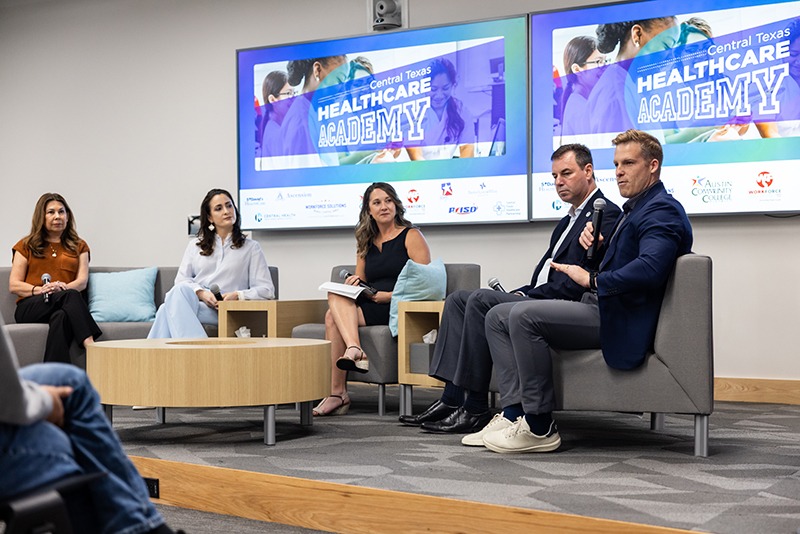
“Khi hệ thống của chúng tôi ngày càng phát triển, chúng tôi phải đáp ứng nhu cầu chăm sóc sức khỏe của khu vực Hạt Travis và vùng Trung Texas,” Tiến sĩ Carol Wang, Giám đốc Giáo dục và Nghiên cứu của Central Health, cho biết. “Chúng tôi coi đây là một khoản đầu tư dài hạn vào cộng đồng và sự phát triển nguồn nhân lực của chúng tôi.”
Thay đổi hệ thống chăm sóc sức khỏe từ gốc rễ
Mặc dù số lượng việc làm trong lĩnh vực chăm sóc sức khỏe tại Texas đã tăng lên trong ba thập kỷ qua, nhưng lực lượng lao động của bang vẫn chưa đáp ứng được nhu cầu ngày càng gia tăng. Cơ quan Quản lý Nguồn lực và Dịch vụ Y tế (HRSA) dự báo sẽ có tình trạng thiếu hụt 8% điều dưỡng trên toàn quốc vào năm 2028. Trong khi đó, Sở Y tế và Dịch vụ Nhân sinh Texas dự báo sẽ thiếu hụt điều dưỡng thực hành có giấy phép và điều dưỡng đăng ký trên toàn bang vào năm 2032.
Trong những năm gần đây, Central Health đã nỗ lực giải quyết những thách thức về nguồn nhân lực của chính mình, bắt đầu từ việc hợp tác với ACC về chương trình đào tạo trợ lý y tế (nay đã bước sang nhóm thứ bảy), đến một cái mới sáng tạo mô hình người sử dụng lao động - bên chi trả thông qua Đại học Western Governors và Social Finance. Khoa Giáo dục và Nghiên cứu của Central Health đã hợp tác với Workforce Solutions Capital Area trong khuôn khổ Học viện Chăm sóc Sức khỏe Trung Texas.
“Đối với những sinh viên tiếp tục hoàn thành các tín chỉ khóa học về chăm sóc sức khỏe tại ACC, chúng tôi sẽ tiến thêm một bước nữa bằng cách đưa các em vào hệ thống Central Health để tham gia học tập trải nghiệm thực tế,” ông Wang cho biết. “Chúng tôi tin rằng việc mở rộng cơ hội và xây dựng một lực lượng lao động vững mạnh hơn đồng nghĩa với việc mang lại dịch vụ chăm sóc tốt hơn cho cộng đồng mà chúng tôi phục vụ.”
Học viện sẽ hoạt động như sau:
Các học sinh năm nhất tại Hays CISD và Pflugerville ISD sẽ đăng ký các lớp học giới thiệu, các lớp tiên quyết và các phòng thí nghiệm để có kinh nghiệm thực tế và tiếp thu kiến thức về nhiều vai trò và cơ hội trong lĩnh vực chăm sóc sức khỏe.
Sinh viên năm hai sẽ tiếp tục học tập với nhiều hoạt động thực hành hơn và sẽ chọn các định hướng nghề nghiệp cho hai năm cuối.
Học sinh trung học sẽ tiến bộ trong con đường sự nghiệp thông qua các lộ trình chăm sóc sức khỏe cụ thể. Thực tập sẽ có sẵn thông qua các tổ chức đối tác chăm sóc sức khỏe.
Dự kiến học sinh cuối cấp sẽ tích lũy được tối đa 36 tín chỉ kép với ACC thông qua đào tạo lâm sàng thực hành. Học sinh sẽ cần vượt qua các bài kiểm tra Năng lực Thành công Texas (TSI) trước khi có thể theo học các khóa học đại học nhập môn.
Một số chương trình có thể cho phép sinh viên tham gia lực lượng lao động sau khi tốt nghiệp với chứng chỉ chăm sóc sức khỏe, trong khi các sinh viên khác có thể tiếp tục con đường của họ tại ACC hoặc một trường đại học bốn năm khác.
Central Health cùng các đối tác y tế khác sẽ chia sẻ kinh nghiệm từ các cơ sở y tế, trong khi ACC, với tư cách là cơ sở giáo dục đại học hỗ trợ, sẽ cử giảng viên đến từng trường trung học. Vào năm 2028, khi khuôn viên mới tại Hạt Hays đi vào hoạt động, học sinh của Hays CISD sẽ được sử dụng các cơ sở vật chất tại đây.
Bước vào mùa thu, hơn 500 sinh viên đã đăng ký cho học kỳ mùa thu sắp tới, học kỳ đầu tiên của Học viện Y tế Trung tâm Texas. King cho biết chưa đến 100 sinh viên dự kiến sẽ tốt nghiệp từ khóa đầu tiên sau bốn năm nữa - đây là dấu hiệu của những biến động tự nhiên khi những người trẻ tuổi tìm kiếm vị trí của mình trên thế giới.
Không phải tất cả các con đường đều sẽ ở trong môi trường lâm sàng.
“Chúng tôi biết rằng không có con đường nào là hoàn hảo cho tất cả mọi người,” King nói. “Chúng tôi muốn cung cấp cho học sinh trung học cơ hội khám phá các lựa chọn trong lĩnh vực chăm sóc sức khỏe và xây dựng mối quan hệ bền chặt với các đối tác công nghiệp có kinh nghiệm thực tế.”
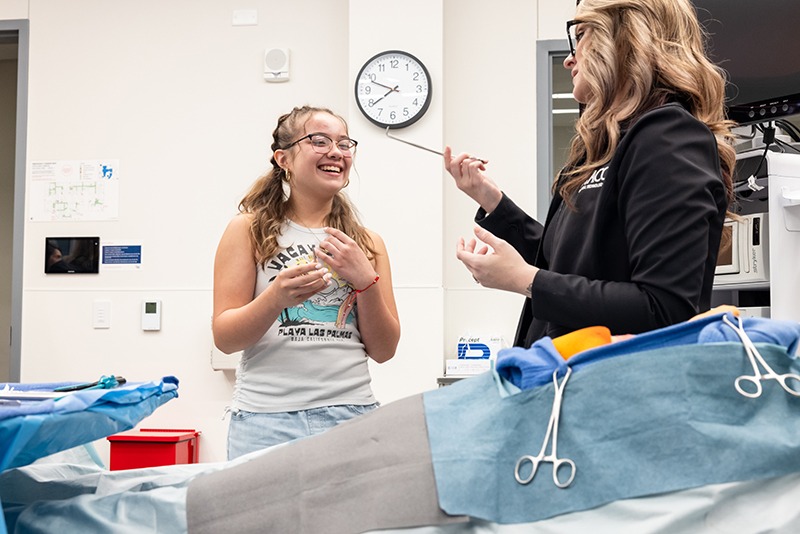
Tương lai của Học viện Y tế Trung tâm Texas
Bạn có thể đang hỏi: Tại sao lại chọn Pflugerville ISD và Hays CISD?
Vua nói mỗi khu học chánh độc lập đều có vị thế riêng để khởi động học viện.
“Rào cản chính trong việc phát triển khoa học sức khỏe là không gian lâm sàng,” bà nói, lưu ý đến sự thiếu hụt của chúng ở địa phương, tiểu bang và quốc gia.
Cả hai địa điểm đều đại diện cho các địa điểm để đưa sinh viên đến, mỗi địa điểm cung cấp các hệ thống bệnh viện khác nhau để sinh viên nâng cao kinh nghiệm lâm sàng.
Khi dân số Hạt Travis tiếp tục tăng vọt—hạt có 1,4 triệu cư dân, xếp thứ năm ở Texas—nhu cầu về nhân viên y tế có trình độ sẽ ngày càng tăng.
Central Health đã trở thành một đối tác quan trọng.
“Central Health đã đóng vai trò quan trọng trong việc này,” King nói. “Chính yếu tố liên quan đến ngành công nghiệp đó là điều khiến chúng tôi khác biệt so với các chương trình đào tạo truyền thống. Các doanh nghiệp trong ngành tham gia ngay từ đầu. Và họ đóng vai trò then chốt trong việc xây dựng những lộ trình có giá trị cho sinh viên.”