ဂရုစိုက်မှုဆိုတာ နားလည်မှုအောက်မှာ ရှိနေတာက စတင်ပါတယ်
ေမ ၈၊ ၂၀၂၆
ဘာသာစကားပံ့ပိုးမှု၊ ယုံကြည်စိတ်ချရသော လမ်းညွှန်မှုနှင့် လူထုဆက်ဆံရေးတို့သည် အာရှမိသားစုများ ယုံကြည်မှုဖြင့် စောင့်ရှောက်မှုရရှိအောင် ကူညီပေးနေပါသည်။.
နာကျင်ကိုက်ခဲနေသည်ဖြစ်စေ၊ ဖျားနာနေသည်ဖြစ်စေ ကျန်းမာရေးစောင့်ရှောက်မှုကိုခံယူရန် သွားပါဟု ဆိုလျှင် အလွန်လွယ်ကူပုံရပေလိမ့်မည်။ သို့သော် ယဉ်ကျေးမှုနှင့် လူ့အဖွဲ့အစည်းအချို့အတွင်းတွင် ၎င်းသည် အမြဲတမ်းလွယ်ကူသည်မဟုတ်ပါ။.
ကသီထရန့်ခ်သည် ဤအရာကို အပြည့်အဝ နားလည်သည်။.
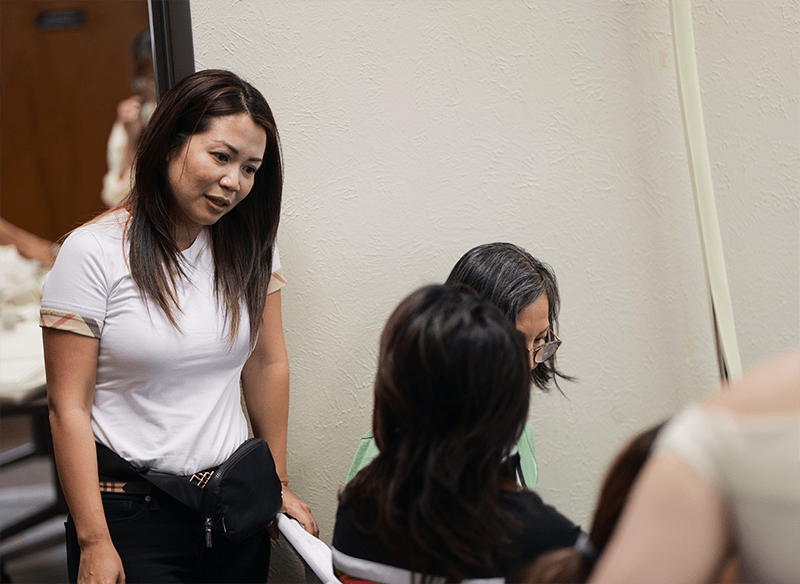
၂၀၂၂ တွင် Austin Asian Community Health Initiative (AACHI) အတွက် Community Health Navigator (CHN) မဖြစ်မီ၊ သူမသည် လက်သည်းညှပ်ဆိုင် ပိုင်ရှင်တစ်ဦးဖြစ်ခဲ့ပြီး အဆိုပါလုပ်ငန်းတွင် အနှစ် ၂၁ နှစ်ခန့် လုပ်ကိုင်ခဲ့သည်။ ထိုအချိန်မှစ၍ ပြဿနာတစ်ခုရှိနေကြောင်းကို သူမ ပထမဆုံးသဘောပေါက်လာခဲ့သည်။.
“(ကျွန်တော့် သူငယ်ချင်းများ) က မကြာခဏ ပြောပါတယ်၊ ‘သင်သွားရင် ကိုယ့်ကိုယ်ကို နာမကျန်းဖြစ်နေတာကို သိရမှာမို့လို့ မသွားချင်ပါဘူး’ ဟု ဗီယက်နမ်လူမျိုး ထရိန် က ပြောကြားခဲ့သည်။.
ဒါက ထရင့်ခ် (၄၄) နှစ်က အလုပ်ပြောင်းရတဲ့ အဓိကအကြောင်းရင်းတွေထဲက တစ်ခုပါ။.
“ကျန်းမာရေးက ဘာထက်မဆို အရေးကြီးတယ်” ဟု သူမက ဆိုသည်။.
သူမသည် ယခု AACHI နှင့်အတူ လုပ်ကိုင်နေသော CHN ငါးဦးထဲမှ တစ်ဦးဖြစ်ပြီး၊ AACHI သည် 2025 ခုနှစ်တွင် Central Health နှင့် ပူးပေါင်းကာ Travis ကောင်တီရှိ ဗီယက်နမ်၊ ကိုရီးယားနှင့် မြန်မာ အသိုင်းအဝိုင်းများအား ထိတွေ့ဆက်ဆံရေးနှင့် ပညာပေးရေး ဝန်ဆောင်မှုများ ပံ့ပိုးပေးနေသည်။.
“"ကျွန်ုပ်တို့က လူတွေကို ကျန်းမာရေးစောင့်ရှောက်မှုစနစ်ကို လမ်းပြကူညီနေပါတယ်" ဟု AACHI ၏ အစီအစဉ်ဒါရိုက်တာ လုစီ နဂျွန်းက ပြောသည်။ "လူတွေမှာ အာမခံရှိအောင် သေချာစေပြီး ACA၊ ပုဂ္ဂလိကအာမခံနဲ့ အကျိုးခံစားခွင့်များဖြင့် ဖုံးလွှမ်းခံနိုင်အောင် ကူညီပေးပါတယ်။ အဲဒီအရာတွေ မရရှိနိုင်ပါက Central Health ရဲ့ Medical Access Program (MAP) ကို လျှောက်ထားနိုင်အောင် ကူညီပေးပါတယ်"။”
ကျန်းမာရေး လမ်းညွှန်သူများ ဘာကြောင့် လိုအပ်သလဲ
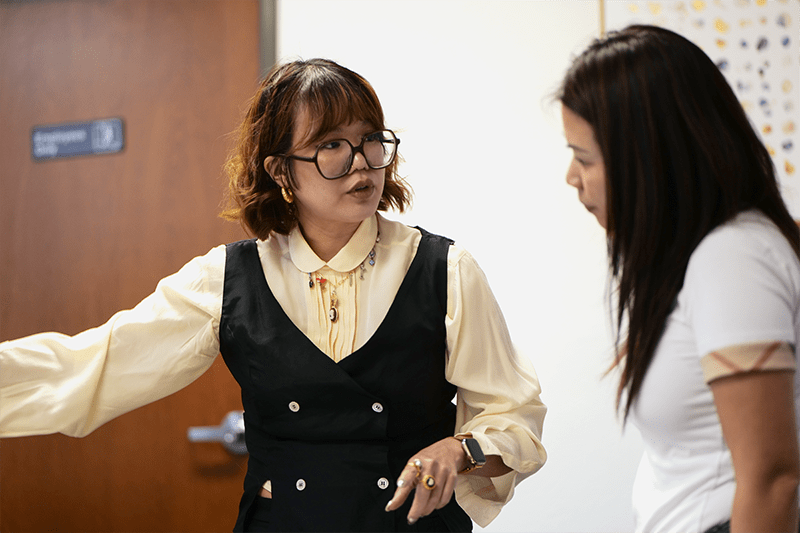
Nguyen သည် ၁၂ နှစ်ခန့်ရှိပြီး Fort Worth တွင် နေထိုင်စဉ်က သူမ၏ ဗီယက်နမ်မိဘများသည် စီးပွားရေးလုပ်ငန်းတစ်ခုကို ပိုင်ဆိုင်ခဲ့ကြသည်။ တစ်နေ့ သူမ၏ အပင်ဒစ်စ်က ပေါက်ကွဲတော့မည့်အခြေအနေဖြစ်လာပြီး မိသားစုက သူမကို အရေးပေါ် ဆေးရုံသို့ အမြန်ဆုံး ယူဆောင်သွားခဲ့ကြသည်။ သို့သော် ဆေးရုံတွင် ပြုလုပ်နေသော ဆေးကုသမှုနည်းလမ်းများကို မနားလည်နိုင်ကြောင်း သိရှိခဲ့ရသည်။.
ထိုအချက်က ကလေးဘဝတွင် Nguyen ကို မနာလိုဖွယ် အခြေအနေတွင် ထားရှိခဲ့သည်- မိသားစု၏ ကျန်းမာရေး လမ်းညွှန်သူ အဖြစ် တာဝန်ယူခဲ့ရသည်။. ထိုကလေးတစ်ဦးက အလွန်ရှုပ်ထွေးသော ဝေဒနာပိုင်းဆိုင်ရာ ဝန်ဆောင်မှုများကို မည်သို့ အတိအကျ ရှင်းပြနိုင်မည်နည်း။
“ဒီလိုနဲ့‘တွဲဆက်’ဆိုတဲ့ စကားလုံးကို ဘယ်လိုအနက်ပြန်ရမလဲတောင် မသိခဲ့ဘူး” ဟု သူမက ပြောသည်။.
နဂွေန်းသည် နောက်ဆုံးတွင် ကောလိပ်တက်ပြီး Texas A&M တက္ကသိုလ်မှ ဘွဲ့ဒီဂရီများ ရယူခဲ့ပြီး ၂၀၁၉ ခုနှစ်တွင် AACHI သို့ ဝင်ရောက်ခဲ့သည်။ ထိုအချိန်တွင် သူသည် AACHI အမှုထမ်းဆောင်သည့် ကဲ့သို့သော အသိုက်အဝန်းများအတွက် ကိုယ်စားပြုမှု၏ အဓိပ္ပါယ်ကို သိရှိခဲ့သည်။.
“ဒီမှာ လုပ်နေတဲ့ အလုပ်တွေကြောင့် ကျွန်မ စိတ်အားတက်ကြွခဲ့ရပါတယ်” ဟု သူမက ပြောသည်။.
AACHI မှ အာရှလူမျိုးများအတွက် အဓိက ကူညီထောက်ပံ့ပေးနေသည့် အရာမှာ ဘာသာပြန်ဆိုမှု အကူအညီပင် ဖြစ်သည်။ ကလေးတစ်ဦးထံမှ ကျန်းမာရေး စောင့်ရှောက်မှုဆိုင်ရာ ကိစ္စရပ်များ၏ ဝန်ထုပ်ဝန်ပိုးကို လွှဲပြောင်းယူပေးခြင်း ဖြစ်သည်ကို Nguyen က ပြောကြားခဲ့သည်။ AACHI ၏ ဝန်ဆောင်မှုခံယူသူများသည် ဗီယက်နမ်၊ ကိုရီးယား၊ တရုတ်စကား၊ မြန်မာစကား သို့မဟုတ် အာရပ်စကား နှင့် အခြားဘာသာစကားအချို့ကို ပြောဆိုနိုင်သည်။.
ထိုအချက်များသည် အဆုံးတွင် AACHI ၏လုပ်ငန်းအတွက် လူမှုကျန်းမာရေးလမ်းညွှန်များ အသက်သွေးကြောများ ဖြစ်ကြောင်း အဓိပ္ပာယ်ရသည်။ ၎င်းတို့သည် လိုင်စင်ရ လူမှုကျန်းမာရေး လုပ်သားများ (CHW) ဖြစ်ပြီး လူနာများအတွက် ရှေ့နေလိုက်ပေးခြင်း၊ ဘာသာပြန်ဆို အကူအညီပေးခြင်း၊ ဒေသဆိုင်ရာ အရင်းအမြစ်များသို့ လွှဲပြောင်းပေးခြင်း၊ ကျန်းမာရေးပညာပေးခြင်းနှင့် အရည်အချင်းပြည့်မီရန် အကူအညီပေးခြင်း စသည့်အကူအညီများကို ပေးသည်။ AACHI သည် အစားအသောက်များကို ဖြန့်ဝေပေးပြီး ကာကွယ်ဆေးများ ထိုးပေးကာ ကျောင်းရာသီတွင် ကျောင်းသုံးပစ္စည်းများပင် ကူညီပေးသည်။.
Trinh ကဲ့သို့သော လမ်းညွန်သူများသည် ဝယ်ယူသူများကို ကူညီရန် အပိုကြိုးစားကြသည်။ ၎င်းသည် ဝယ်ယူသူတစ်ဦးကို ဈေးဆိုင်၊ အဝတ်လျှော်ဆိုင် သို့မဟုတ် ဗုဒ္ဓဘာသာ ဘုန်းကြီးကျောင်းတွင်ပင် တွေ့ဆုံနိုင်ပါသည်။ တစ်ခါတစ်ရံတွင် ၎င်းသည် Facebook တွင်ပင် မက်ဆေ့ခ်ျများအား ပြန်လည်ဖြေကြားပေးပါသည်။ Trinh မှာ “Facebook ဘုရင်မ” ဟု ၎င်းက ဆိုသည်။.
“ကျွန်မကို အဲဒီလိုမျိုးမျိုး ချန်နယ်တွေကနေ လူတွေက ဖုန်းခေါ်၊ စာပို့၊ မက်ဆေ့ ပို့ကြတာ ရှိပါတယ်” လို့ သူက ပြောပါတယ်။.
အဆိုပါကဲ့သို့ အလုပ်အချို့သည် နိုင်ငံသားဖြစ်ခွင့်ရရှိစေနိုင်ပြီး ၂၀၂၄ ခုနှစ်တွင် ထရင်းက အဆင့် ၄ ကိုယ်တွင်းကင်ရောဂါခံစားနေရသူတစ်ဦးအား ၎င်း၏နေအိမ်၌ပင် နိုင်ငံသားအဖြစ် ခံယူခွင့်ရရှိအောင် ကူညီပေးခဲ့ခြင်းသည် ထိုသို့ဖြစ်ခဲ့သည်။ စာများကိုဖွင့်ဖတ်ရန် လူနာများကို ကူညီပေးခြင်းကဲ့သို့ အရေးကြီးသောလုပ်ငန်းများလည်း ရှိနေပြီး၊ လူနာအများစုသည် ဘာသာစကားအကူအညီ လိုအပ်ကြောင်း သတိပြုမိသည်အထိ ၎င်းသည် ရိုးရှင်းပုံရသည်။.
“တစ်ခါတစ်ရံတွင် ၎င်းတို့သည် စာများကို လက်ခံရရှိသော်လည်း မည်သို့လုပ်ဆောင်ရမည်ကို မသိကြပါ။” ဟု Trinh က ပြောကြားခဲ့သည်။ “(လူနာတစ်ဦး) သည် ၎င်းတို့၏ SNAP အကျိုးခံစားခွင့်များကို သက်တမ်းတိုးရန် လိုအပ်နေပြီး စာများကို မည်သို့ရွေးချယ်ရမည်ကို နားမလည်နိုင်ပါ။ ထို့ကြောင့် ကျွန်ုပ်တို့ကူညီရခြင်းဖြစ်ပါသည်။”
အသိုက်အဝန်းကို အမှုထမ်းဆောင်ခြင်း
AACHI ၏ ဖောက်သည်အများစုသည် ဖက်ဒရယ် ဆင်းရဲနိမ့်ကျမှုအဆင့် (FPL) အောက်တွင် ရှိကြသောကြောင့် လူထုကျန်းမာရေးလမ်းညွှန်များသည် ကျန်းမာရေးလိုအပ်ချက်များကို ဖော်ထုတ်ရန် လုပ်ဆောင်ကြသည်။ အရည်အချင်းပြည့်မီပါက Travis County တွင် ဝင်ငွေနည်းသူများအတွက် ကျန်းမာရေးစောင့်ရှောက်မှုရွေးချယ်စရာများဖြစ်သည့် MAP သို့မဟုတ် MAP Basic တွင် လူနာများကို စာရင်းသွင်းနိုင်သည်။ မည်သည့် ပထမဆုံး တွေ့ဆုံမှုတွင်မဆို လူမှုဆိုင်ရာ ကျန်းမာရေးသတ်မှတ်ချက်များအတွက် ဖောက်သည်အား စစ်ဆေးခြင်းဖြင့် စတင်သည်။.
AACHI သည် ၂၀၂၅ ခုနှစ်တွင် ပြည်သူလူထုနှင့် ၎င်းတို့၏ မိသားစုပေါင်း ၃၅၀ ခန့်ကို ဝန်ဆောင်မှုပေးခဲ့ပြီး၊ Williamson County ကဲ့သို့သော အနီးအနားဒေသများသို့ ၎င်း၏ ဝန်ဆောင်မှုများကို တိုးချဲ့ရန် ရေရှည်စီမံကိန်းများ ရှိပါသည်။.
“"လူတွေဟာ သူတို့နားလည်ယုံကြည်နိုင်တဲ့ စောင့်ရှောက်မှုကို ရယူနိုင်တဲ့အခါ ကျွန်ုပ်တို့အသိုင်းအဝိုင်းဟာ အင်အားအပြည့်ဆုံးဖြစ်ပါတယ်" ဟု Central Health ၏ အမှုဆောင်အရာရှိချုပ် ဒေါက်တာ Patrick Lee က ပြောသည်။ "Central Health မှာ ကျွန်ုပ်တို့သည် AACHI နှင့် ပူးပေါင်းကာ Travis ကောင်တီရှိ AAPI နေရပ်သူများအား ပိုမိုကောင်းမွန်စွာ ဝန်ဆောင်မှုပေးနိုင်ခြင်းနှင့် ဘာသာစကား၊ ယဉ်ကျေးမှု သို့မဟုတ် စနစ်ဆိုင်ရာ မရှင်းလင်းမှုများကြောင့် လိုအပ်သည့် စောင့်ရှောက်မှုရယူရာတွင် တားဆီးမှု မဖြစ်စေရန် ကူညီပံ့ပိုးပေးနေပါသည်"။”
ရှေ့သို့ ခရီးဆက်
AACHI နှင့် Central Health တို့၏ ဆက်ဆံရေးသည် တစ်ဆယ်နှစ်ကျော်ကြာ ရှည်လျားခဲ့သည်။ ဧပြီလတွင် Central Health သည် သူ၏ ရပ်ကွက်အခြေပြု လူထုကျန်းမာရေး ချန်ပီယံများအစီအစဉ်ဖြင့် AACHI ဆီသို့ လာရောက်ခဲ့သည်။.
ကျန်းမာရေးဆိုင်ရာ အဓိကပုဂ္ဂိုလ်များအဖွဲ့သည် ၂၀၁၆ ခုနှစ်တွင် အပတ်စဉ် ကျင်းပပြုလုပ်သည့် လုပ်ငန်းခွင်အလုပ်ရုံဆွေးနွေးပွဲများနှင့် သင်ခန်းစာများအဖြစ် စတင်ခဲ့ပြီး ထရက်ဗစ်စ်ခရိုင်မှ ရွေးချယ်ခံပြည်သူအချို့သည် ကျန်းမာရေးစောင့်ရှောက်မှုစနစ်အကြောင်း လေ့လာခဲ့ကြပြီး ကျန်းမာရေးဆိုင်ရာ မညီမျှမှုများကို ဖြေရှင်းရန် ကြိုးပမ်းခဲ့ကြသည်။.
သို့သော် ၂၀၂၃ ခုနှစ်တွင် Central Health သည် အခက်အခဲများ မကျန်သေးကြောင်း တွေ့ရှိခဲ့သည်။.
အချို့အသိုင်းအဝိုင်းများသည် Health Champions အစီအစဉ်ကို အင်္ဂလိပ်ဘာသာဖြင့်သာဖြစ်သောကြောင့် အခက်အခဲများကြုံခဲ့ရသည်။ ထို့ကြောင့် Central Health သည် Austin မြို့ရှိ Rundberg ဆိုသည့် စပိန်စကားပြောသူဦးရေများစွာပါဝင်သည့် ရပ်ကွက်တစ်ခုတွင် သူတို့၏ ရပ်ကွက်အခြေပြုအစီအစဉ်ကို စမ်းသပ်ကာ Navarro High School တွင် တစ်ရက်တာဖြစ်ပွဲကို စပိန်ဘာသာဖြင့် ကျင်းပခဲ့သည်။.
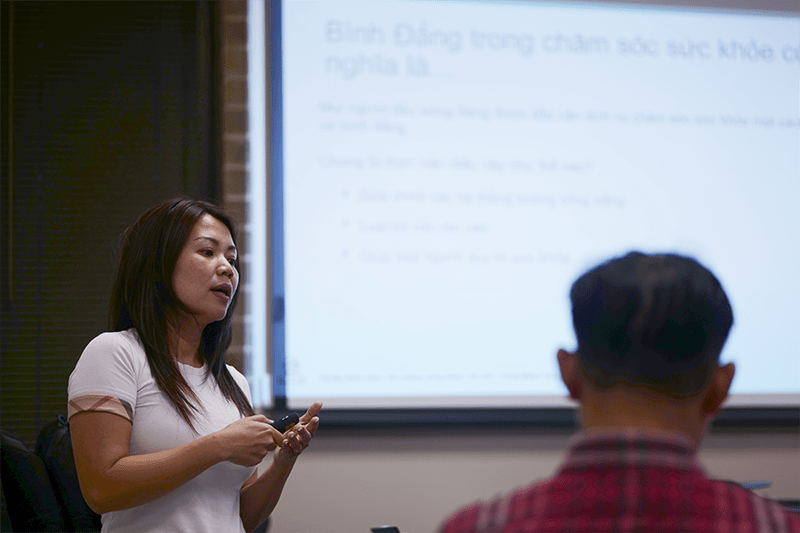
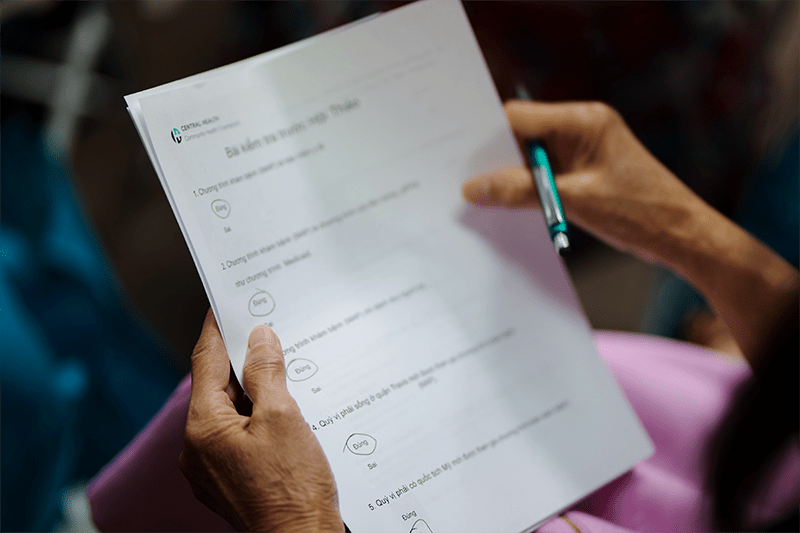
ထိုအောင်မြင်မှုနှင့် အခြားအောင်မြင်မှုများအပြီး Central Health သည် AACHI အတွက် အိမ်နီးချင်းအခြေပြု အစီအစဉ်အသစ်တစ်ခုကို ဗီယက်နမ်ဘာသာဖြင့် အပြည့်အစုံ စီစဉ်ခဲ့သည်။ ထရင်းသည် ဗီယက်နမ်ဘာသာပြောဆိုသူ အသိုင်းအဝိုင်းဝင် ၁၅ ဦးခန့်ရှေ့၌ သင်ကြားပို့ချခဲ့သည်။.
၎င်းက Nguyet ၏ အသိုင်းအဝိုင်းကို အဘယ်ကြောင့် အမှုထမ်းနေဆဲဖြစ်ကြောင်း ပြန်လည်အမှတ်ရစေခဲ့သည်။.
“"ယခု ဒီမှာရှိတဲ့ လူတွေကတော့ Central Health နဲ့ ကျန်းမာရေးစနစ်အကြောင်းကို ပိုမိုသိရှိနိုင်ဖို့ အသံထွက်ခွင့် ရရှိထားပြီ" ဟု သူမက ပြောသည်။.
ထရင့် အ နေ ဖြင့် လည်း ကိုယ် တွေ့ အ တွေ့ အ ကြုံ ကြော င့် ကျန်းမာ ရေး လော က သို့ ဝင် ရော ကာ မိ မိ ၏ အ လုပ် ကို ဆက် လက် ရှေ့ ဆောင် သွား ရန် အ ဓိ က အ ချက် တစ် ခု ဖြစ် လေ သည်။.
“လူတွေရဲ့ ဘဝကို ဟန်ချက်ညီညီ ပြန်ဖြစ်ဖို့ ကျွန်တော်တို့ ကြိုးစားတယ်။” ဟု သူမက ပြောသည်။.
The Austin Asian Community Health Initiative ၏ သမိုင်း
AACHI မတည်ထောင်မီတွင် အာရှ-အမေရိကန် အရင်းအမြစ်စင်တာ (AARC) သည် ၂၀၀၆ ခုနှစ်တွင် အာရှ-အမေရိကန်အဖွဲ့အစည်းများ ကွန်ရက်မှ တည်ထောင်ခဲ့သော Austin အကျိုးအမြတ်မယူသော အဖွဲ့အစည်းတစ်ခုဖြစ်ပြီး အာရှ-အမေရိကန် ပစိဖိတ်ကျွန်းသား (AAPI) အမြင်မှ ဖြတ်၍ နေရာများ၊ ဝန်ဆောင်မှုများ၊ အရင်းအမြစ်များ နှင့် အစီအစဉ်များကို ပံ့ပိုးပေးနိုင်မည့် အဆောက်အအုံတစ်ခုကို ဖန်တီးရန် ရည်ရွယ်ခဲ့သည်။ သို့ရာတွင် AARC ခေါင်းဆောင်များအနေဖြင့် Austin မြို့တွင်း ၎င်းတို့၏ကိုယ်ပိုင်နေရာအတွက် ရန်ပုံငွေရှာဖွေရန် အချိန်ယူခဲ့ရသည်။ ၂၀၁၃ ခုနှစ်တွင် ယင်းစင်တာသည် Austin မြို့ပန်းခြံနှင့်အပန်းဖြေရေးဌာန၏ အဆောက်အအုံတစ်ခုမှ စတင်လည်ပတ်ခဲ့သည်။.
သုံးနှစ်အကြာတွင် AARC သည် Austin Public Health မှ $50,000 ဒေါ်လာထောက်ပံ့ငွေကို လက်ခံရရှိခဲ့ပြီး၊ ၎င်းငွေဖြင့် AARC မှ လွတ်လပ်စွာ ဆောင်ရွက်မည့် AACHI ၏ CHN အစီအစဉ် (AARC နှင့် မဆက်စပ်) အတွက် စမ်းသပ်အစီအစဉ်တစ်ခုကို ငွေကြေးထောက်ပံ့ခဲ့သည်။ ထိုအစီအစဉ်သည် ကျန်းမာရေးတန်းတူခွင့်ဆိုင်ရာ လုပ်ငန်းများတွင် တာဝန်ယူမှုကို အခြေခံကာ AAPI များအတွက် ကျန်းမာရေးစောင့်ရှောက်မှုနှင့် လူမှုဝန်ဆောင်မှုလိုအပ်ချက်များသို့ ဝင်ရောက်အသုံးပြုနိုင်မှုကို တိုးချဲ့ပေးခဲ့သည်။.
“ကျွန်တော်တို့က လူတွေကို ကူညီချင်နေပါသေးတယ်” ဟု အသက် ၃၄ နှစ်အရွယ် Nguyen က ပြောသည်။.