Driven by Shared History, and a Personal Mission
April 10, 2026
Public health care once helped this Central Health employee in a time of need. Now she’s giving back.
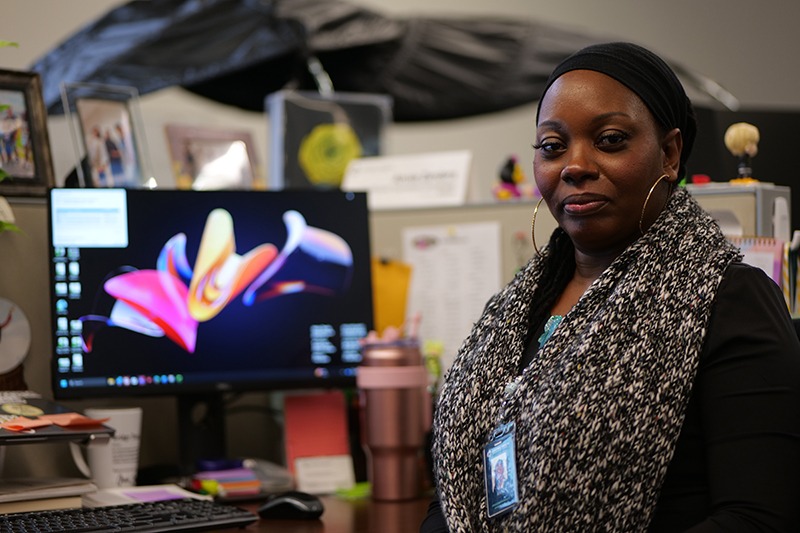
Annie Zanders is at her best when she’s in front of Central Health patients.
Nothing can take away the experience of a smile, she says. Or a handshake. How about a cheerful, “Hello, how can I help you?”
These small gestures are simple, but they are also important for Annie, who works as a housing support program manager at Central Health.
They are reminders that even though a patient may be going through a difficult or traumatic moment in their life, there’s always someone on the other end who’s willing to help.
At Central Health, Annie helps place medically vulnerable patients into permanent supportive housing programs. “We want to set them up for success,” she said, “and prevent them from being back on the streets.”
The genesis of this support begins at the Respite Center at the Clinical Education Center, which opened in July 2025. Central Health invested over $11 million into the restoration of a former wing of Brackenridge Hospital, expanding health care services for vulnerable patients in need of safe, short-term housing and medical care.
In fiscal year 2025 (which concluded on Sept. 30, 2025), Central Health’s respite program provided direct care to 82 patients, which resulted in a 68.5% reduction in hospital emergency department visits and a 91% connection to primary care service for patients.
Once patients are ready to take their next steps into housing, Annie springs into action.
Work That Hits Home
It’s a personal mission because of Annie’s own shared experience.
She was once a patient, too.
The youngest daughter of a single mother from the Booker T. Washington Terraces, an affordable housing community in East Austin, Zanders once faced similar challenges three decades ago.
On some days, there was no food or power. She would leave the front door open to let the light in.
“My mother did the best she could as a single parent,” said Annie, who’s 42, “but there were days when we didn’t have much money. We would have to go to food banks and churches to get food.”
Now a wife, mother of four, and grandmother to one, Annie has dedicated herself to helping others within the health care system in Travis County. She has pursued higher education again and again, earning her associate’s, bachelor’s, and a master’s degree in social work. Education has been her path toward generational change.
“I had to break the cycle,” Annie said. “I wanted to make it.”
The Mission Continues
Working at Central Health, she says, has driven her forward. No matter the situation, respect and compassion are front and center.
Her role at Central Health is part of a multi-faceted health care continuum that bridges gaps in care to create a more connected system. Vulnerable patients are placed in skilled nursing facilities or at the Central Health Respite Center before Zanders coordinates housing through system partners like Community First! Village or the Esperanza Community, among others.
In March, for instance, she secured housing for Carl, a former medical respite patient with heart failure.
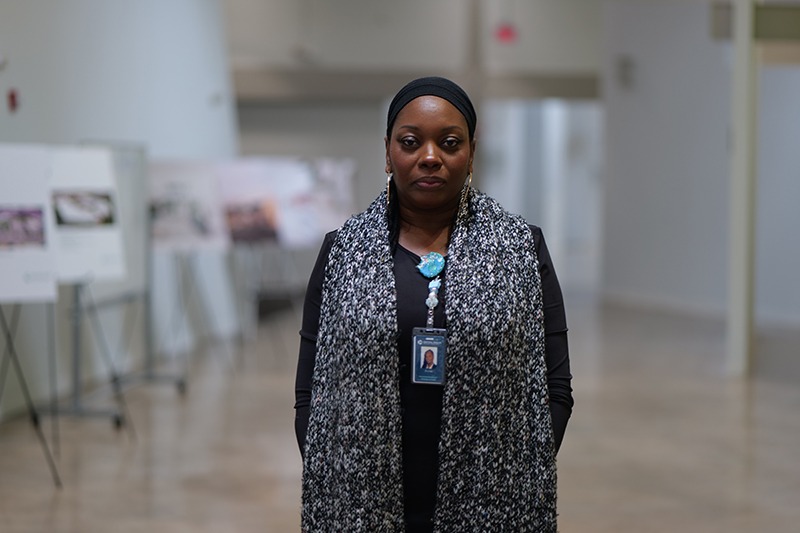
With nearly two decades of experience in various roles, Annie’s career has evolved from early beginnings in medical records with the City of Austin to working with patients administratively at Central Health.
Purpose Built Care
Central Health cannot do it alone. The Travis County Hospital District requires a group of people and partners who all share the same desire to change health outcomes.
One step at a time, it’s already happening. In FY2025, Central Health served 183,969 people in Travis County, an increase of 7.3% year-over-year.
Together, Central Health provides Travis County residents with whole-person care.
“Somebody once looked out for us,” Annie said. “Now I can do that. My purpose is to help others.”
How We Help Travis County Residents:
Central Health connects people to affordable health coverage through Sendero Health Plans, the Medical Access Program (MAP), MAP Basic, and the Central Health Assistance Program. These coverages allow people in Travis County to see a doctor, manage chronic conditions, and get help early. You can start your MAP Application online.